



Bali is one of the world’s most popular travel destinations, welcoming millions of visitors each year with its breathtaking beaches, sacred temples, lush rice terraces, and vibrant culture. While the island is known for its warm hospitality, it is also deeply rooted in Balinese Hinduism, centuries-old traditions, and religious customs that shape everyday life.
Understanding the Bali do’s and don’ts before trip to bali can help you avoid misunderstandings, show respect to local communities, and enjoy a more meaningful travel experience. Whether you’re visiting for the first time or returning to explore more of the island, learning about Bali tourist etiquette, Balinese culture, local customs, temple etiquette, and cultural rules for visitors will make your journey smoother and more rewarding.
This guide answers the most common questions travelers ask, including what tourists should avoid in Bali, how to behave in temples, what to wear, and the most common mistakes visitors make while exploring Ubud, Canggu, Seminyak, Uluwatu, and other popular destinations.
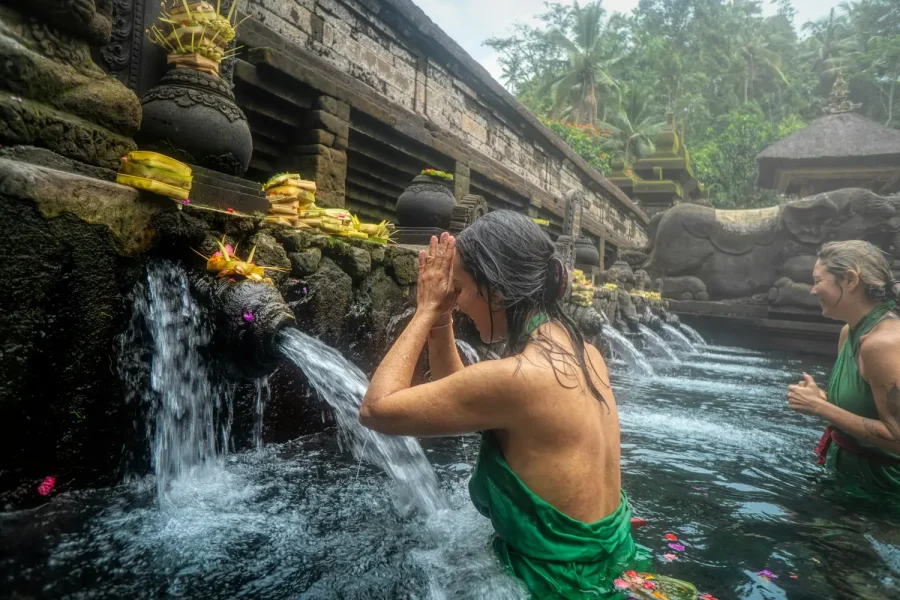

Ubud Temple Tour – Private All Inclusive Temple & Waterfall Experience
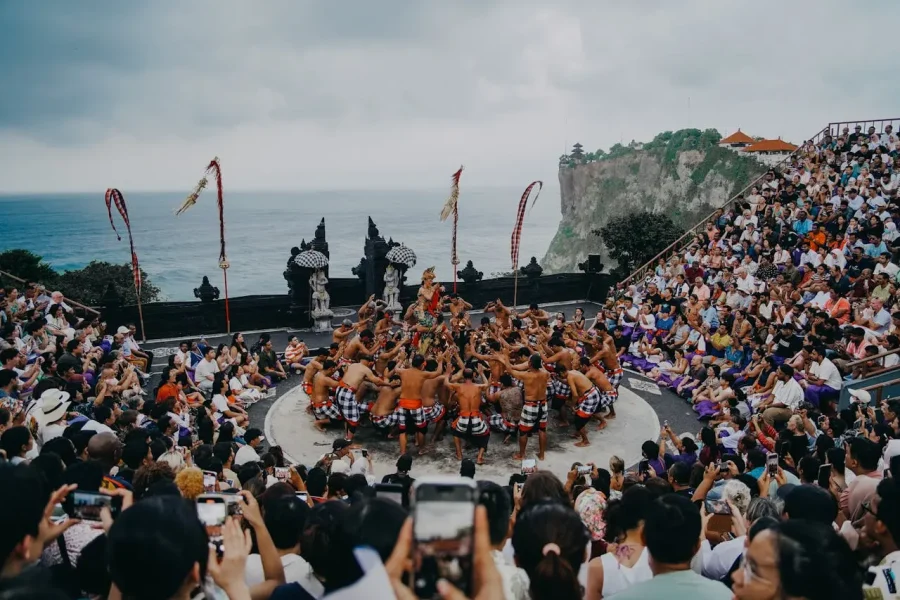
Uluwatu Sunset Tour Bali – Private Tour with Kecak Dance Experience
Why Understanding Bali's Culture Matters
Bali is different from many other tourist destinations in Southeast Asia. While tourism plays a significant role in the island’s economy, Balinese culture remains deeply connected to Balinese Hinduism, temple ceremonies, community traditions, and daily spiritual practices.
Throughout the island, you’ll notice beautifully decorated temples, Canang Sari offerings, ceremonies taking place in traditional villages, and people wearing traditional clothing during religious festivals. These are not performances for tourists they are an important part of everyday life.
You may also encounter important celebrations such as Nyepi (the Day of Silence), Galungan, and Kuningan, which reflect the island’s rich spiritual heritage.
Knowing the dos and don’ts in Bali isn’t just about following rules. It’s about respecting the people who call the island home and appreciating the island’s unique cultural heritage.
Visitors who understand local customs often enjoy richer experiences because locals genuinely appreciate travelers who show respect for their traditions.
Respect Local Customs and Traditions
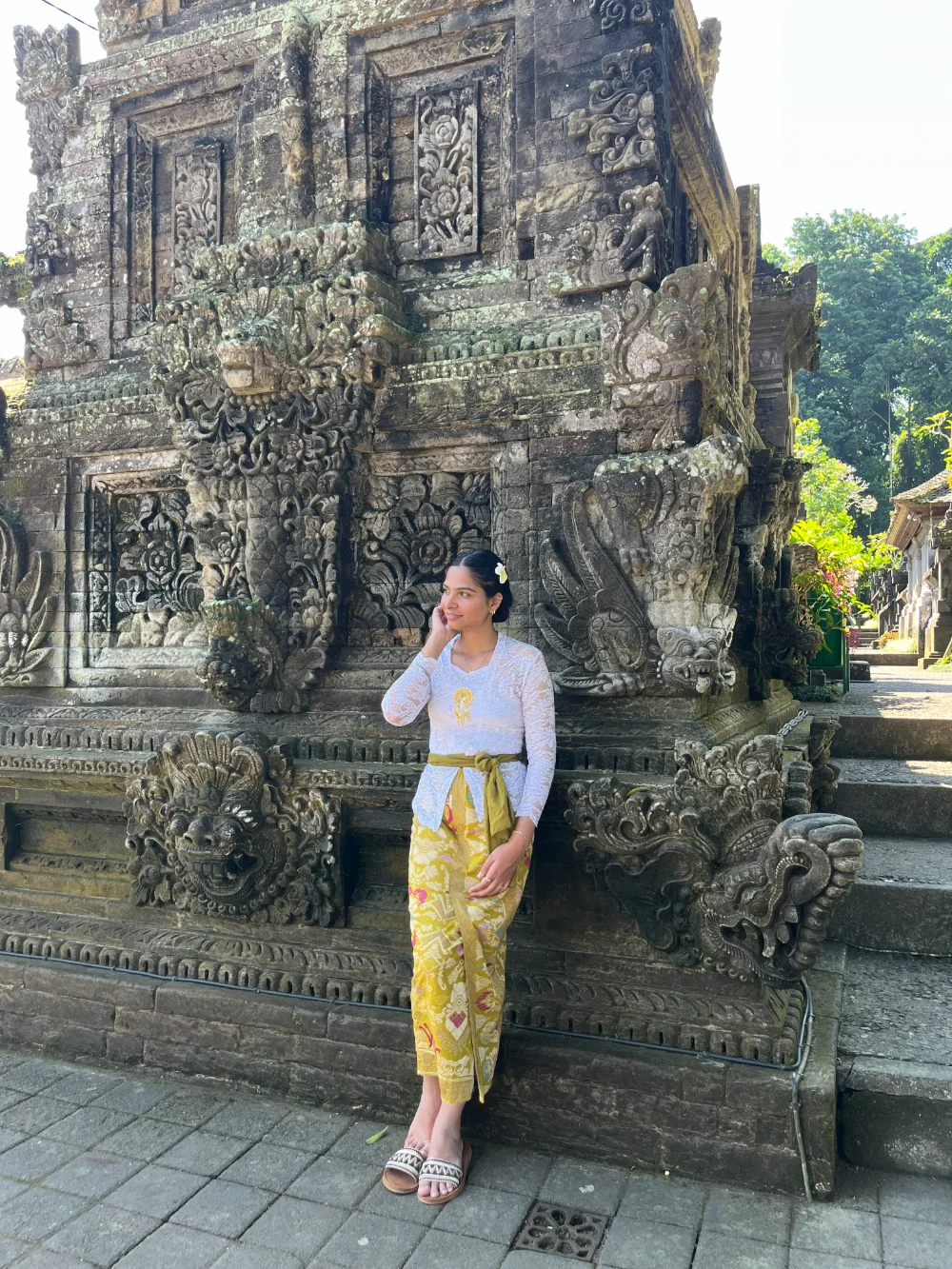
Balinese culture emphasizes harmony between people, nature, and spirituality, a philosophy known as Tri Hita Karana. One of the easiest ways to show respect is by observing local customs, even if they differ from your own.
For example, if you encounter a religious procession or temple ceremony on the road, be patient and wait until it has safely passed. Ceremonies are an essential part of community life and often take priority over traffic.
Showing patience and understanding demonstrates genuine respect for Balinese traditions.
Dress Appropriately When Visiting Temples
Temples are sacred places, not simply tourist attractions.
Whether you’re visiting Tirta Empul Temple, famous for its holy water purification ritual (Melukat), Goa Gajah, Ulun Danu Beratan Temple, or Tanah Lot Temple, visitors should dress modestly by covering their shoulders and knees.
Most temples also require guests to wear a sarong and sash, which are usually available at the entrance.
Understanding Bali temple etiquette for tourists helps preserve the peaceful atmosphere of these sacred places while showing respect for local beliefs.
Support Local Businesses
Instead of only visiting international chains, consider supporting family-owned restaurants, warungs, local guides, artisan workshops, and traditional markets.
You can also visit traditional villages known for wood carving, silver jewelry, painting, or weaving to experience Bali’s living cultural heritage while supporting local communities.
Don't Step on Canang Sari
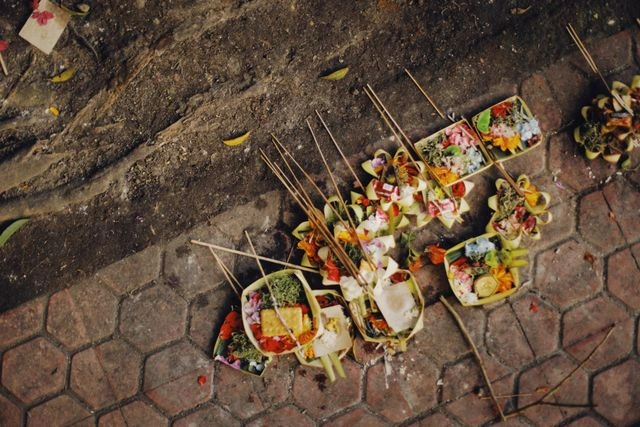
One of the most common Bali travel mistakes is accidentally stepping on Canang Sari, the small daily offerings placed outside homes, shops, temples, and sidewalks.
Made from woven palm leaves, flowers, rice, and incense, these offerings symbolize gratitude, balance, and devotion in Balinese Hinduism.
Although locals understand that visitors may not recognize them immediately, walking around the offerings whenever possible is considered respectful.
Don't Climb Sacred Temple Structures
Some tourists have climbed temple walls, shrines, or sacred statues for photographs.
This behavior is considered highly disrespectful, particularly at important cultural landmarks such as Lempuyang Temple, Besakih Temple, and Goa Gajah.
Always remain within designated visitor areas and remember that these are active places of worship, not photo props.
Common Mistakes Tourists Make in Bali
Treating Every Temple Like a Tourist Attraction
Many of Bali’s temples continue to host daily prayers, purification rituals, and religious ceremonies.
Whether visiting Tirta Empul, Gunung Kawi, or Saraswati Temple in Ubud, visitors should remember that these are sacred spaces where local people come to worship.
Focusing Only on Instagram Photos
While Bali has countless beautiful viewpoints, spending your entire holiday chasing social media photos may cause you to miss authentic cultural experiences.
Instead, take time to visit traditional villages, local markets, rice terraces, cultural performances, and holy water temples, where you’ll gain a deeper understanding of Balinese life.
Forgetting That Bali Has Strong Community Values
Balinese society is built around cooperation, mutual respect, and community harmony.
Simple actions such as speaking politely, dressing appropriately, respecting ceremonies, and supporting local businesses are among the best Bali travel tips for first-time visitors.
Why Respect Leads to Better Travel Experiences
Many travelers arrive in Bali expecting beautiful beaches, waterfalls, and scenic temples. While the island certainly offers all of these, its greatest attraction is its living culture.
Respecting Bali visitor etiquette, learning about Balinese Hindu traditions, understanding local customs, and appreciating sacred places such as Tirta Empul, Goa Gajah, Tanah Lot, and Besakih Temple allow visitors to experience Bali beyond its famous landmarks.
Instead of simply checking attractions off a list, you’ll leave with a deeper appreciation for Bali’s spirituality, cultural heritage, welcoming communities, and traditions that have been preserved for generations.
Frequently Asked Questions
What Is Considered Disrespectful in Bali?
Disrespectful behavior includes wearing inappropriate clothing in temples, climbing sacred monuments, interrupting religious ceremonies, speaking loudly in sacred places, stepping on Canang Sari (daily offerings), littering, and ignoring local customs or temple rules.
Can Tourists Wear Shorts in Bali Temples?
Short shorts are generally not appropriate. Most temples require visitors to cover their knees and wear a sarong and sash, which are often available at the entrance.
Is It Rude to Step on Balinese Offerings?
Yes. Canang Sari are sacred daily offerings. Although accidents happen, visitors should avoid stepping on or disturbing them as a sign of respect.
What Are the Cultural Rules in Bali?
The most important cultural rules include dressing modestly at temples, respecting ceremonies, asking permission before photographing people, following temple regulations, and behaving politely in public.
What Should I Avoid Doing in Bali?
Avoid disrespecting sacred places, wearing revealing clothing in temples, climbing monuments, littering, disturbing wildlife, entering restricted areas, interrupting ceremonies, and ignoring local customs.
Can Tourists Join Balinese Ceremonies?
Sometimes, but only if invited by local residents. If invited, dress modestly, follow your host’s guidance, observe quietly, and avoid interrupting the ceremony.
Is Public Affection Acceptable in Bali?
Holding hands is generally acceptable. However, excessive public displays of affection should be avoided, especially near temples and traditional villages.
Are There Any Taboos in Balinese Culture?
Yes. Visitors should avoid climbing sacred structures, touching offerings, pointing their feet toward shrines, walking in front of people praying, or showing disrespect toward religious traditions.
How Can Tourists Show Respect in Bali?
Dress appropriately, follow temple etiquette, ask before taking photos, support local businesses, respect ceremonies, keep public places clean, and learn about Balinese customs before your trip.
0 Comment