

Bali Ulun Danu Beratan Temple
Located in the beautiful highlands of Bedugul, Ulun Danu Beratan Temple in Bali is one of the island’s most recognizable cultural and religious landmarks. Sitting beside the peaceful waters of Lake Beratan, this historic Hindu temple creates a remarkable landscape where traditional Balinese architecture meets the natural beauty of the mountains. Its distinctive multi-tiered shrines, green gardens, cool mountain atmosphere, and occasional morning mist make it a favorite destination for travelers exploring the northern and central parts of Bali. Unlike temples located near the coastline, Pura Ulun Danu Beratan offers a completely different experience, surrounded by freshwater, forested hills, and the peaceful atmosphere of the highlands.
The temple is particularly famous for its appearance on Indonesia’s former 50,000 rupiah banknote, making it familiar to many visitors even before they arrive in Bali. However, its importance goes far beyond its photogenic appearance. For Balinese Hindus, the temple represents a sacred connection between religion, water, agriculture, and the natural environment. It is dedicated to Dewi Danu, the goddess associated with lakes, rivers, and water, who is believed to provide the essential resources needed to sustain agricultural life. Visitors can explore the landscaped temple grounds, admire traditional shrines, enjoy views of Lake Beratan, and learn about the cultural traditions that have shaped Bali for generations.
Whether you are interested in Balinese culture, photography, architecture, or simply discovering beautiful places, Bali Ulun Danu Beratan Temple deserves a place on your travel itinerary. Before planning your visit, it helps to understand its history, religious significance, location, entrance fees, opening hours, and nearby attractions.
History of Pura Ulun Danu Beratan
The history of Pura Ulun Danu Beratan is closely connected to the development of Hindu religious traditions and agricultural communities in Bali. The temple stands in an area that has long been considered spiritually important because of its connection to Lake Beratan, one of the island’s significant freshwater sources. According to historical accounts, the surrounding area was used for religious activities long before the present temple complex was established. Indonesia’s official tourism information also mentions archaeological remains, including a sarcophagus and stone slab believed to date back to approximately 500 BC. These discoveries suggest that the highlands around Lake Beratan had cultural and spiritual importance in ancient times.
The temple’s documented history reaches back to the 16th century, although historical accounts differ slightly regarding the precise year of its establishment. The official Indonesia Travel website records its existence as early as 1556 and describes its reconstruction in 1633 under the leadership of King I Gusti Agung Putu of the Mengwi Kingdom. Other historical accounts commonly associate its establishment with 1634 CE. Rather than treating these dates as contradictory evidence of entirely separate temples, it is useful to understand that the history of the complex includes earlier religious activity and later construction and development. The temple eventually became one of the most important religious landmarks in the Bedugul region, maintaining its connection to the lake and the surrounding agricultural communities.
The Origins of the Temple
The name Ulun Danu carries an important meaning in Balinese culture. The word “Ulun” can be understood as head, source, or upper part, while “Danu” refers to a lake or body of water. Together, the name reflects the temple’s spiritual relationship with Lake Beratan and the water resources that support life in the surrounding region. The temple is dedicated primarily to Dewi Danu, the goddess of lakes, rivers, and water, who holds an important place in Balinese Hindu beliefs. Water is not simply viewed as a natural resource in Bali; it is also associated with purification, prosperity, fertility, and the balance of life. This spiritual understanding helps explain why temples connected to lakes, springs, rivers, and irrigation systems are so important throughout the island.
The establishment of Pura Ulun Danu Beratan also reflects the traditional Balinese philosophy of maintaining harmony between humans, nature, and the divine. This philosophy is closely associated with the concept of Tri Hita Karana, which emphasizes three relationships: harmony with God, harmony among people, and harmony with the natural environment. Although the temple’s religious practices are rooted in specific Hindu traditions, the broader relationship between spiritual life and natural resources is easy to recognize when visiting the site. The lake provides water for surrounding communities, while the temple represents the sacred responsibility of respecting and maintaining this essential resource. Understanding this background makes a visit more meaningful because you begin to see the temple as more than a beautiful building beside a lake.
The Role of King I Gusti Agung Putu
One of the most important figures associated with the history of Ulun Danu Beratan Temple is I Gusti Agung Putu, the ruler of the Mengwi Kingdom. Historical records and local traditions associate him with the temple’s reconstruction during the 17th century. His contribution helped establish the complex as an important religious center dedicated to the Hindu deities and Dewi Danu. The architectural design reflects a combination of Balinese Hindu traditions and influences that are sometimes described as Hindu-Buddhist in character. This combination can be seen in the temple’s traditional shrines, decorative elements, and carefully arranged sacred spaces. The result is a religious complex that reflects the cultural development of Bali over several centuries.
The Mengwi Kingdom played an important role in the development of religious and cultural landmarks across the island, and its connection to Pura Ulun Danu Beratan helped strengthen the temple’s historical significance. Over the centuries, local communities have continued to maintain the complex and preserve its religious traditions. Today, the temple remains a living place of worship rather than simply a historical monument. Religious ceremonies and offerings continue to take place, reminding visitors that the site has an important purpose for local Hindu communities. This connection between historical heritage and present-day spiritual life is one of the reasons why the temple remains such an important destination in Bali.
Where Is Ulun Danu Beratan Temple Located?
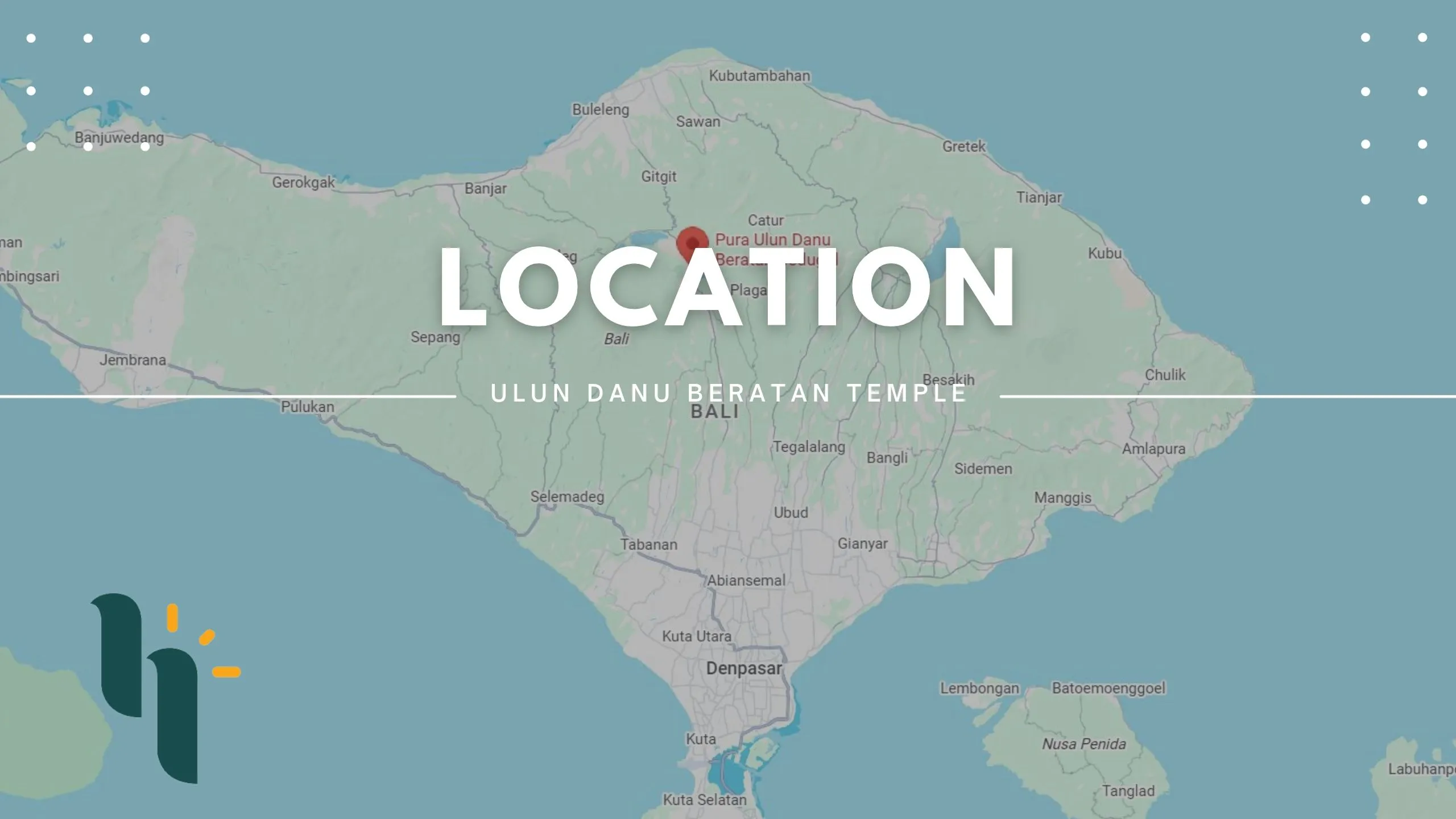
Ulun Danu Beratan Temple is located in Candikuning Village, Baturiti District, Tabanan Regency, Bali, Indonesia. The temple stands on the western side of Lake Beratan in the Bedugul highlands, an area known for its cooler temperatures, mountain scenery, agricultural plantations, and beautiful freshwater lakes. It is approximately 1,200 meters above sea level, making the surrounding environment noticeably cooler than popular coastal destinations such as Kuta, Seminyak, and Canggu. The location is one of the temple’s greatest attractions because visitors can enjoy a combination of cultural heritage and natural scenery in a single destination. The peaceful lake, mountain backdrop, and landscaped gardens create an atmosphere that feels very different from the busy southern part of Bali.
The temple is situated along the main road connecting the Denpasar and Singaraja areas, making it relatively easy to include in a northern Bali sightseeing itinerary. Travelers coming from Ubud, Canggu, Seminyak, Kuta, or Sanur can reach the destination by private car, rental vehicle, or organized tour. However, driving times depend on traffic conditions, weather, and the starting point. The mountain roads around Bedugul also contain winding sections, so allowing additional travel time is a sensible decision. Once you arrive, the temple entrance is close to the main parking facilities, and visitors can explore the landscaped grounds without needing to undertake a difficult hike.
How to Get to the Temple
There are several ways to reach Temple Ulun Danu Beratan, depending on your budget, travel preferences, and starting location. Renting a scooter may be suitable for experienced riders who are comfortable navigating Bali’s mountain roads. However, travelers unfamiliar with local traffic conditions may find a private car more comfortable, especially when visiting with children, older family members, or a group of friends. A private driver also makes it easier to combine the temple with nearby attractions without worrying about parking, navigation, or arranging transportation between destinations.
Here are approximate driving times to help you plan your journey:
|
Starting location |
Approximate driving time |
|---|---|
|
Ubud |
1.5–2 hours |
|
Canggu |
2–2.5 hours |
|
Seminyak |
2–2.5 hours |
|
Kuta |
2–2.5 hours |
|
Sanur |
1.5–2 hours |
|
Denpasar |
1.5–2 hours |
|
Lovina |
1–1.5 hours |
These are planning estimates rather than guaranteed journey times. Traffic congestion, especially during weekends and Indonesian public holidays, can make the journey longer.
For visitors who want a comfortable sightseeing experience, a private Bali tour with hotel pickup is a practical option. You can start from your accommodation, visit Ulun Danu Beratan, explore nearby attractions, and return without arranging separate transportation for every stop. This approach is particularly useful if you are planning a full-day trip through the Bedugul region.
Religious and Cultural Functions of the Temple
The primary function of Pura Ulun Danu Beratan is religious worship, particularly devotion to Dewi Danu, the goddess associated with water, lakes, and rivers. In Balinese Hindu beliefs, water is closely connected to prosperity and the continuation of life. Rice fields, plantations, gardens, and communities depend on a reliable water supply, making the spiritual protection of water sources an important part of traditional religious practices. The temple therefore represents more than a place where people gather to pray. It is also a symbol of the relationship between the divine and the natural environment that sustains Balinese society.
Lake Beratan plays an important role in the agricultural landscape of the surrounding region. Water from the lake supports plantations and farming activities, and the wider Balinese water temple tradition is closely connected to the subak irrigation system. Subak is a traditional community-based irrigation organization that coordinates water distribution among rice farmers. Temples associated with water resources help connect agricultural activities with religious ceremonies and community responsibilities. This relationship demonstrates how Balinese culture integrates spiritual beliefs with practical environmental management.
The temple is also used for religious ceremonies, offerings, prayers, and traditional Hindu activities. Local devotees visit to express gratitude, seek blessings, and pray for fertility, prosperity, and well-being. Different sacred buildings within the complex have their own religious associations, reflecting the diversity of Balinese Hindu worship. For visitors, observing these traditions can provide valuable insight into the island’s spiritual identity. However, it is important to remember that this remains an active sacred site, so visitors should respect worshippers, follow local instructions, and avoid entering restricted areas.
What Can You See at Ulun Danu Beratan?
A visit to Ulun Danu Beratan Temple Bali offers more than an opportunity to photograph its famous lakeside shrines. The complex features traditional Balinese architecture, religious structures, landscaped gardens, beautiful lake views, and several areas where visitors can appreciate the surrounding mountain scenery. The layout provides different perspectives of the temple, allowing you to enjoy its architecture from the lakeside as well as from the garden pathways. Some structures stand close to the water, creating the distinctive appearance that has made the destination internationally recognizable. Depending on the water level and weather conditions, the shrines may appear to float on the surface of Lake Beratan.
Visitors can spend time walking around the grounds, observing the decorative details, and learning about the religious significance of the different structures. The surrounding gardens are also attractive, with green lawns, flowers, trees, and pathways that make the area suitable for relaxed sightseeing. Unlike some temples where visitors need to walk long distances between separate locations, the main tourist area here is relatively accessible. You can enjoy the scenery at your own pace, stop for photographs, and take a break while appreciating the cool highland atmosphere. The following attractions are among the main highlights of the complex.
Temple Shrines and Traditional Architecture
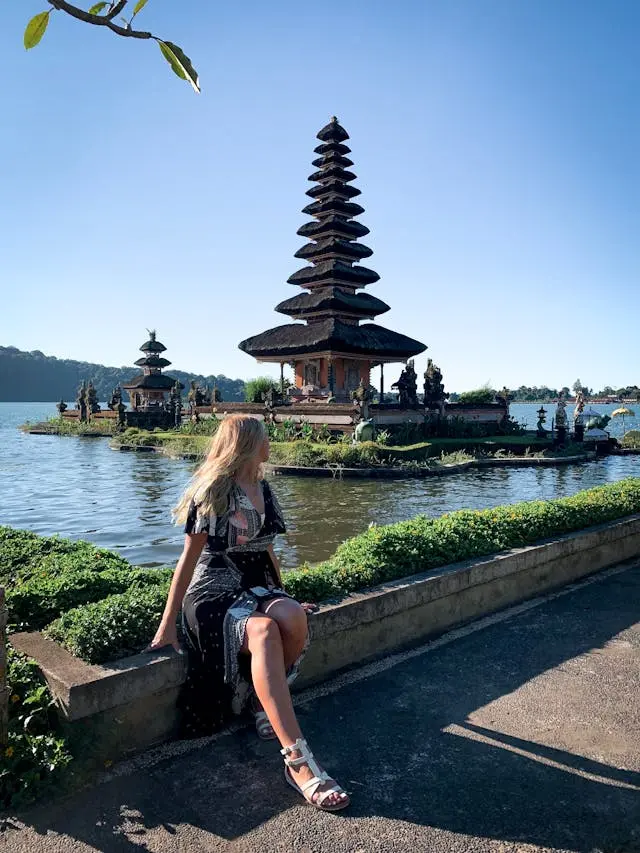
One of the most recognizable features of the temple is its traditional meru architecture, characterized by multi-tiered roofs arranged in a distinctive vertical structure. These shrines are important elements of Balinese Hindu temple design, with different numbers of roof tiers associated with religious symbolism and the status or dedication of the shrine. The eleven-tiered structure is particularly famous because of its impressive appearance beside Lake Beratan. Its reflection on the water creates a beautiful composition, especially when the lake is calm and the surrounding mountains are covered in light mist.
The temple complex also includes several sacred buildings with different religious associations. Indonesia’s official tourism information identifies structures such as Linga Pura, Pura Puncak Mangu, Pura Teratai Bang, and Pura Dalem Purwa. Each contributes to the religious identity of the complex and reflects the different aspects of Balinese Hindu worship. The architecture incorporates traditional materials, decorative elements, and spatial arrangements that reflect the island’s cultural heritage. Visitors should remember that not every sacred building is open for general tourist access. Some areas are reserved for worshippers and religious activities, so observing the signs and instructions of temple staff is important.
Lake Beratan and the Surrounding Gardens
The natural scenery surrounding the temple is another major reason why travelers visit Bedugul. Lake Beratan is a freshwater lake surrounded by forested mountains and agricultural landscapes, creating a peaceful environment that contrasts with Bali’s busy southern beaches. Its cool atmosphere makes it a refreshing destination for visitors who want to experience a different side of the island. On clear mornings, the lake can reflect the surrounding hills and temple structures, creating beautiful photographic opportunities. When mist develops over the water, the landscape takes on a more atmospheric appearance that many travelers associate with the famous image of Ulun Danu Beratan.
The gardens surrounding the temple provide additional space to enjoy the scenery. Visitors can follow the pathways, admire the flowers and trees, and find different angles for photographing the temple. There are also recreational activities around the lake, including traditional boat experiences offered by local operators when conditions permit. These activities provide another way to appreciate the natural beauty of the area, although they may involve additional charges. Whether you prefer photography, quiet sightseeing, or simply enjoying the cool mountain air, the lakeside environment is an important part of the overall experience.
Ulun Danu Beratan Temple Entrance Fee
One of the most frequently asked questions before visiting is: How much is the Ulun Danu Beratan Temple entrance fee? The admission price depends on whether you are an Indonesian domestic visitor or an international visitor. The rates were adjusted effective July 1, 2026, according to an announcement by the destination’s management reported by detikBali in June 2026. The updated rates apply to adults and children, with different prices for domestic and international visitors.
The following table summarizes the reported entrance fees effective from July 1, 2026.
|
Visitor category |
Adult ticket |
Child ticket |
|---|---|---|
|
Indonesian citizens (WNI) |
IDR 50,000 |
IDR 25,000 |
|
International visitors (WNA) |
IDR 100,000 |
IDR 75,000 |
Prices in Indonesian rupiah (IDR). Checked against the July 2026 tariff announcement. Confirm the applicable rate at the official ticket counter before visiting.
The increase was introduced as part of the management’s efforts to improve visitor services, maintain the attraction, and develop cultural activities. According to the management announcement reported by detikBali, special discounts of approximately 20–30% may also be available for certain tour groups and travel agencies, subject to their conditions. If you are traveling with a large group, it may be worth asking your tour operator whether a group arrangement is available.
Keep in mind that the entrance ticket covers admission to the managed attraction, while optional activities such as boat rides may require separate payment. Parking fees may also apply. If you are an international visitor, remember that the Bali tourist levy is a separate charge from the temple admission ticket. It is therefore sensible to prepare some extra cash or a suitable payment method for additional expenses.
Ulun Danu Beratan Opening Hours
What time does Ulun Danu Beratan open? The attraction is generally listed as operating daily from 7:00 AM to 7:00 PM. This schedule allows visitors to explore the temple grounds during the morning, afternoon, and early evening. However, opening hours and access to individual sections may change during religious ceremonies, special events, or operational adjustments. It is best to confirm the current schedule with the attraction before setting off, especially if you are planning an early visit.
Arriving early in the morning is a good idea if you want to enjoy a quieter atmosphere and photograph the temple before the busiest visitor periods. The surrounding mountain environment can also produce beautiful misty scenery during the early hours. By late morning and afternoon, more tour groups may arrive, particularly during weekends and holiday seasons. If photography is your main priority, an early start can make a noticeable difference to your experience.
|
Visitor information |
Details |
|---|---|
|
General opening hours |
7:00 AM–7:00 PM |
|
Operating days |
Daily |
|
Recommended arrival |
7:00 AM–9:00 AM |
|
Suggested visit duration |
1–2 hours |
|
Location |
Candikuning, Bedugul, Tabanan, Bali |
Opening hours are commonly published visitor information, not a guarantee of access during ceremonies or special closures.
Best Time to Visit Ulun Danu Beratan
Choosing the right time to visit can make your experience at Ulun Danu Beratan Temple in Bali much more enjoyable. The Bedugul highlands have a cooler climate than the coastal areas, and weather conditions can change throughout the day. Early morning is generally recommended because the atmosphere is often quieter, the light is softer, and the lake may be calmer. These conditions can create excellent opportunities for photography, particularly when the temple’s reflection appears on the water. If you enjoy peaceful landscapes, arriving shortly after the gates open is a practical strategy.
The dry season, generally from April to October, is often a convenient period for exploring the Bedugul region because outdoor sightseeing can be easier when rainfall is less frequent. However, the temple remains attractive during the rainy season as well. Clouds and mist can create a dramatic atmosphere around the lake, although heavy rain may limit visibility and outdoor activities. Rather than expecting perfectly clear weather every day, visitors should prepare for changing mountain conditions. Bringing a light jacket or rain protection can make the experience more comfortable.
Weekdays are often preferable if you want to avoid some of the weekend crowds. Indonesian public holidays and school vacation periods can also bring larger numbers of visitors. If you are planning a photography-focused visit, try to arrive early and allow enough time to explore the different viewpoints around the grounds. A flexible schedule is useful because the natural scenery can change quickly depending on the weather.
Things to Do Around the Temple
One advantage of visiting Ulun Danu Beratan is its location near several other popular attractions in the Bedugul and central Bali regions. Instead of spending the entire day at the temple, you can create a more complete sightseeing itinerary by combining cultural experiences, nature attractions, viewpoints, and local food stops. The region is known for its highland scenery, agricultural landscapes, and cool climate, making it a refreshing alternative to the beaches and nightlife of southern Bali. Depending on your available time, you can visit two or three nearby destinations in one day without making the journey feel too rushed.
Some popular places to consider include:
-
Bali Handara Gate: A famous entrance gate surrounded by green mountain scenery, popular for photography.
-
Bali Botanic Garden: A large botanical garden featuring diverse plant collections, forest areas, and walking paths.
-
Wanagiri Hidden Hills: A collection of viewpoints overlooking Lake Buyan and Lake Tamblingan.
-
Lake Buyan: A scenic freshwater lake surrounded by forested hills.
-
Jatiluwih Rice Terraces: A beautiful agricultural landscape recognized as part of Bali’s UNESCO-listed cultural landscape.
These destinations offer different experiences, so you can choose based on your interests. For example, families may enjoy the botanical garden, while photography enthusiasts may prefer the temple, Handara Gate, and Wanagiri viewpoints. Travelers interested in Balinese agricultural culture may find Jatiluwih particularly rewarding. Keep travel distances in mind when combining these attractions because mountain roads can take longer to navigate than they appear on a map.
Travel Tips for Visiting Ulun Danu Beratan
A little preparation can help you enjoy your visit without unnecessary inconvenience. Although the temple is a popular tourist attraction, it remains an important religious location for Balinese Hindus. Visitors should approach the complex with respect and understand that some sections may be reserved for ceremonies or worship. Wearing modest clothing is recommended, and you should follow any instructions regarding access to sacred areas. If a religious ceremony is taking place, give worshippers enough space and avoid interrupting their activities for photographs.
The cooler weather is another important consideration. Bedugul is significantly cooler than Bali’s southern coastal destinations, especially during early mornings and rainy periods. A light jacket, comfortable walking shoes, and a small umbrella can make your visit more pleasant. If you are traveling with children or older family members, allow enough time to walk around the gardens and take breaks. You do not need to rush through the attraction to appreciate its scenery.
Photography is welcome in public visitor areas, but it is important to be considerate when photographing religious ceremonies or local worshippers. Always respect restricted areas and avoid climbing on temple structures or disturbing offerings. Visitors should also dispose of rubbish properly and help maintain the cleanliness of the surrounding environment. Remember that preserving the beauty of the temple is a shared responsibility between the local community and everyone who visits.
How to Include Ulun Danu Beratan in Your Bali Tour
If you want to explore more than one destination during your holiday, including Ulun Danu Beratan in a private sightseeing itinerary is a convenient option. The temple can be combined with other attractions in the Bedugul region, allowing you to experience Bali’s cultural heritage and natural scenery in one day. For example, you could begin with an early hotel pickup, visit the temple in the morning, continue to Handara Gate for photographs, and explore the surrounding lakes or botanical garden afterward. This arrangement offers a balanced experience without spending too much time traveling between unrelated destinations.
For travelers staying in Ubud, Canggu, Seminyak, Kuta, or Sanur, a private vehicle with a local driver can make the journey more comfortable. You can organize the itinerary according to your preferred departure time, sightseeing interests, and travel pace. This is particularly helpful for families, couples, and small groups who want more flexibility than a fixed group excursion. A local driver can also provide practical information about the region and suggest suitable stops along the route.
If you are looking for a more complete highland sightseeing experience, consider arranging a Bali private tour that includes Ulun Danu Beratan and other attractions around Bedugul. A customizable itinerary gives you more control over how long you spend at each destination and allows you to enjoy the journey at your own pace. Rather than treating the temple as just a quick photography stop, you can take time to understand its history, appreciate its religious significance, and enjoy the surrounding landscape.
Conclusion
Ulun Danu Beratan Temple Bali is one of the most remarkable destinations to explore if you want to experience the island’s cultural heritage, religious traditions, and natural beauty in one place. Located beside Lake Beratan in the cool highlands of Bedugul, this historic temple offers a unique combination of traditional Balinese architecture, peaceful lake scenery, and spiritual significance. Its history, dating back several centuries, reflects the important relationship between Balinese Hindu beliefs, water resources, and agricultural communities.
For travelers planning a visit, understanding the temple’s history, location, entrance fees, and opening hours makes organizing the journey much easier. The reported admission price from July 1, 2026, is IDR 50,000 for Indonesian adults and IDR 100,000 for international adults, with separate child rates. The attraction is generally listed as open daily from 7:00 AM to 7:00 PM, although checking the latest information before departure is recommended.
Whether you are visiting for photography, cultural exploration, or a relaxing day in the mountains, Pura Ulun Danu Beratan is worth including in your Bali itinerary. Consider combining it with nearby attractions such as Handara Gate, Wanagiri Hidden Hills, and Bali Botanic Garden to make your Bedugul sightseeing experience even more memorable.
Frequently Asked Questions About Ulun Danu Beratan Temple
1. What is the history of Pura Ulun Danu Beratan?
Pura Ulun Danu Beratan has a history dating back several centuries. Historical records mention the temple as early as the 16th century, while its reconstruction is associated with King I Gusti Agung Putu of the Mengwi Kingdom in 1633. The temple was established as an important place of worship dedicated to Dewi Danu, the goddess of lakes and water. Its religious significance is closely connected to Lake Beratan, which provides water for surrounding agricultural communities. Today, the temple remains an important cultural and spiritual landmark in Bali.
2. Where is Pura Ulun Danu Beratan located?
Pura Ulun Danu Beratan is located in Candikuning Village, Baturiti District, Tabanan Regency, Bali, Indonesia. It stands beside Lake Beratan in the Bedugul highlands, approximately 1,200 meters above sea level. The destination can be reached by car or motorcycle from popular tourist areas such as Ubud, Canggu, Seminyak, Kuta, and Sanur. The journey generally takes between 1.5 and 2.5 hours, depending on your starting point and traffic conditions.
3. What is the function of Pura Ulun Danu Beratan?
The primary function of Pura Ulun Danu Beratan is as a place of worship dedicated to Dewi Danu, the goddess of water, lakes, and rivers. Balinese Hindus visit the temple to pray, make offerings, and seek blessings for prosperity, fertility, and well-being. The temple also represents the spiritual relationship between water resources and agriculture in Bali. Its importance is connected to the traditional subak irrigation system, which supports rice cultivation and local farming communities.
4. What can you see at Ulun Danu Beratan Temple?
Visitors can explore traditional Balinese temple architecture, multi-tiered meru shrines, landscaped gardens, and beautiful views of Lake Beratan. The eleven-tiered shrine is one of the most recognizable features of the complex. You can also enjoy the surrounding mountain scenery, photograph the lakeside temple, and experience the peaceful atmosphere of Bedugul. Depending on availability, additional recreational activities such as traditional boat rides may also be offered around the lake.
5. How much is the entrance fee to Ulun Danu Beratan Temple?
Based on the new admission rates effective July 1, 2026, the entrance fees are:
|
Visitor category |
Adult |
Child |
|---|---|---|
|
Indonesian visitors |
IDR 50,000 |
IDR 25,000 |
|
International visitors |
IDR 100,000 |
IDR 75,000 |
These rates were reported following confirmation from the attraction’s management. Additional charges may apply for parking and optional activities. Visitors should confirm the latest rates at the official ticket counter before entering.