

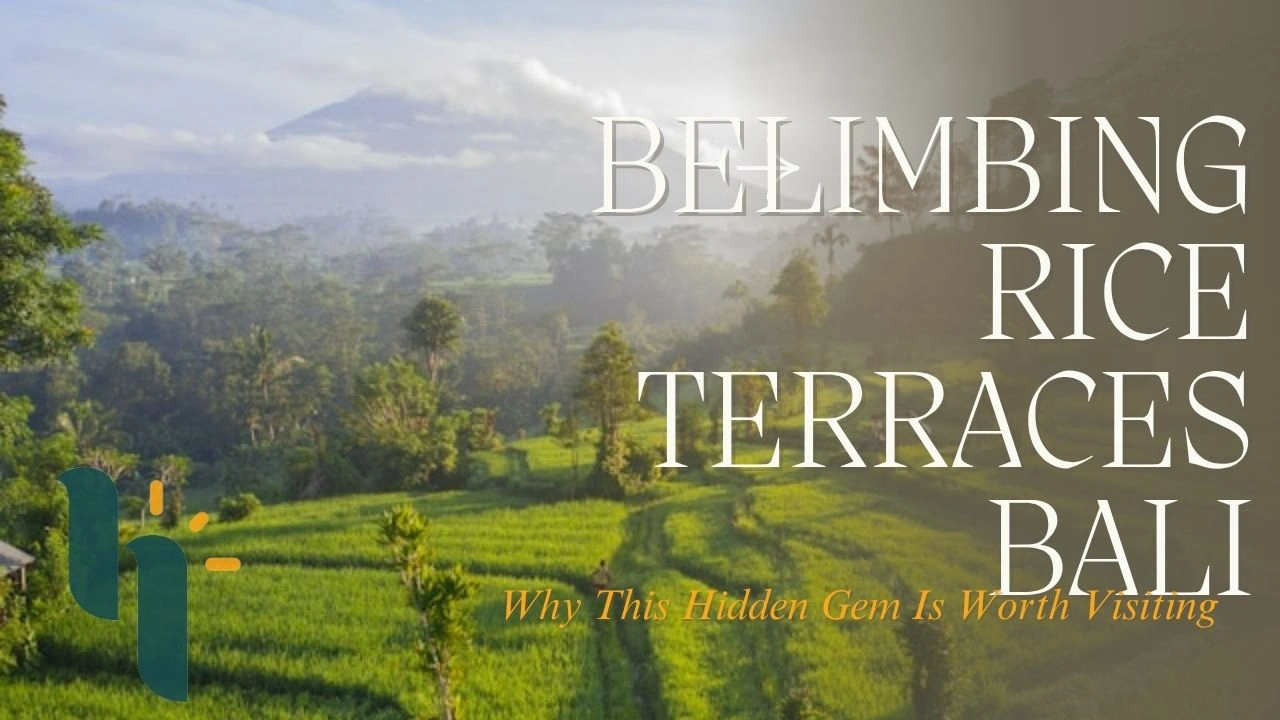

For many travelers, Bali’s rice terraces immediately bring Jatiluwih Rice Terraces or Tegalalang to mind. However, nestled in the peaceful hills of Tabanan Regency, Belimbing Rice Terraces remain one of the island’s best-kept secrets. Surrounded by lush tropical forests, traditional farming villages, and scenic mountain roads, this beautiful landscape offers a quieter and more authentic side of Bali.
Unlike many popular attractions that attract large crowds throughout the day, Belimbing Rice Terrace Bali provides visitors with an opportunity to experience the island’s agricultural heritage in a peaceful setting. The area is known for its emerald green rice paddies, traditional Subak Irrigation System, and panoramic views stretching across Bali’s countryside toward Mount Batukaru.
For travelers seeking an authentic Bali countryside experience, Belimbing offers everything from rice field trekking and village walks to cultural encounters with local farmers who continue centuries-old farming traditions.
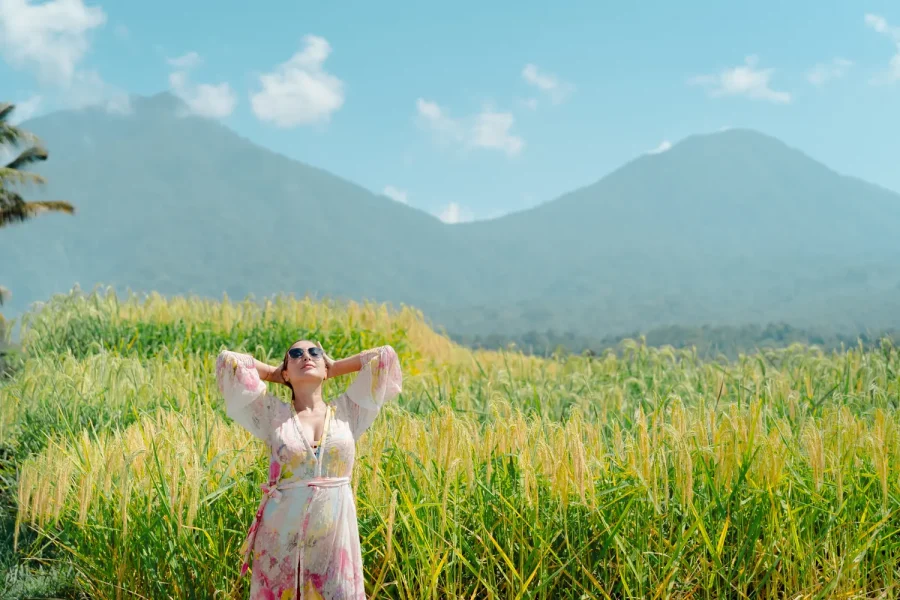

West Bali Day Tour Package – Private All Inclusive Experience
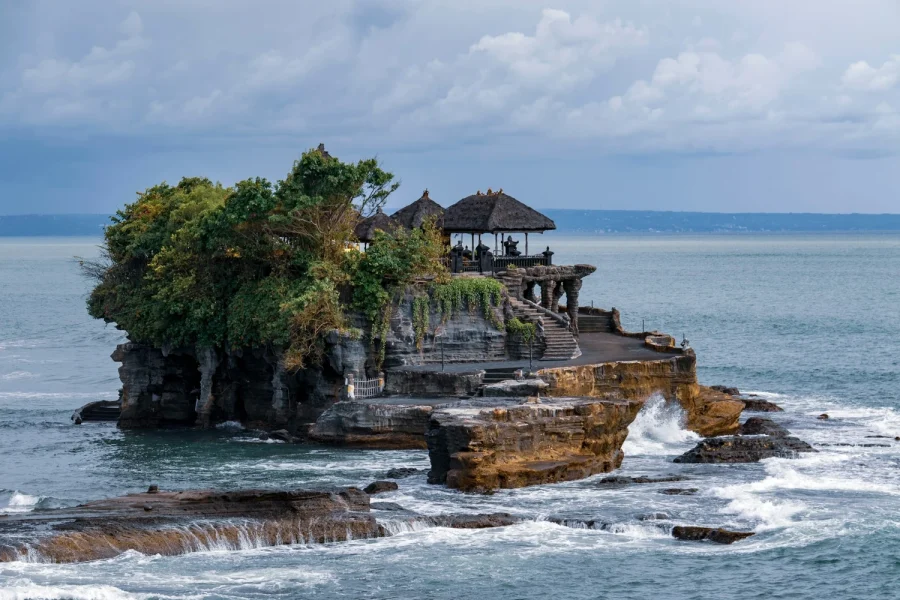
Tanah Lot Sunset Tour and Ulun Danu Temple Customizable Trip
What Are Belimbing Rice Terraces?
Belimbing Rice Terraces are a series of beautifully sculpted rice fields located in Belimbing Village, within Tabanan Regency in western Bali. The terraces are part of Bali’s extensive agricultural landscape and showcase the island’s traditional approach to rice cultivation using the ancient Subak Irrigation System.
Unlike commercial tourist attractions, Belimbing remains a working agricultural area where Balinese farmers continue cultivating rice using traditional farming methods passed down through generations. Visitors are not simply observing a scenic viewpoint; they are stepping into a living cultural landscape that continues to support local communities today.
The surrounding environment also features coconut trees, clove plantations, coffee plantations, cacao plantations, and dense tropical vegetation, making the region one of the richest examples of Bali rural landscape.
Where Are Belimbing Rice Terraces?
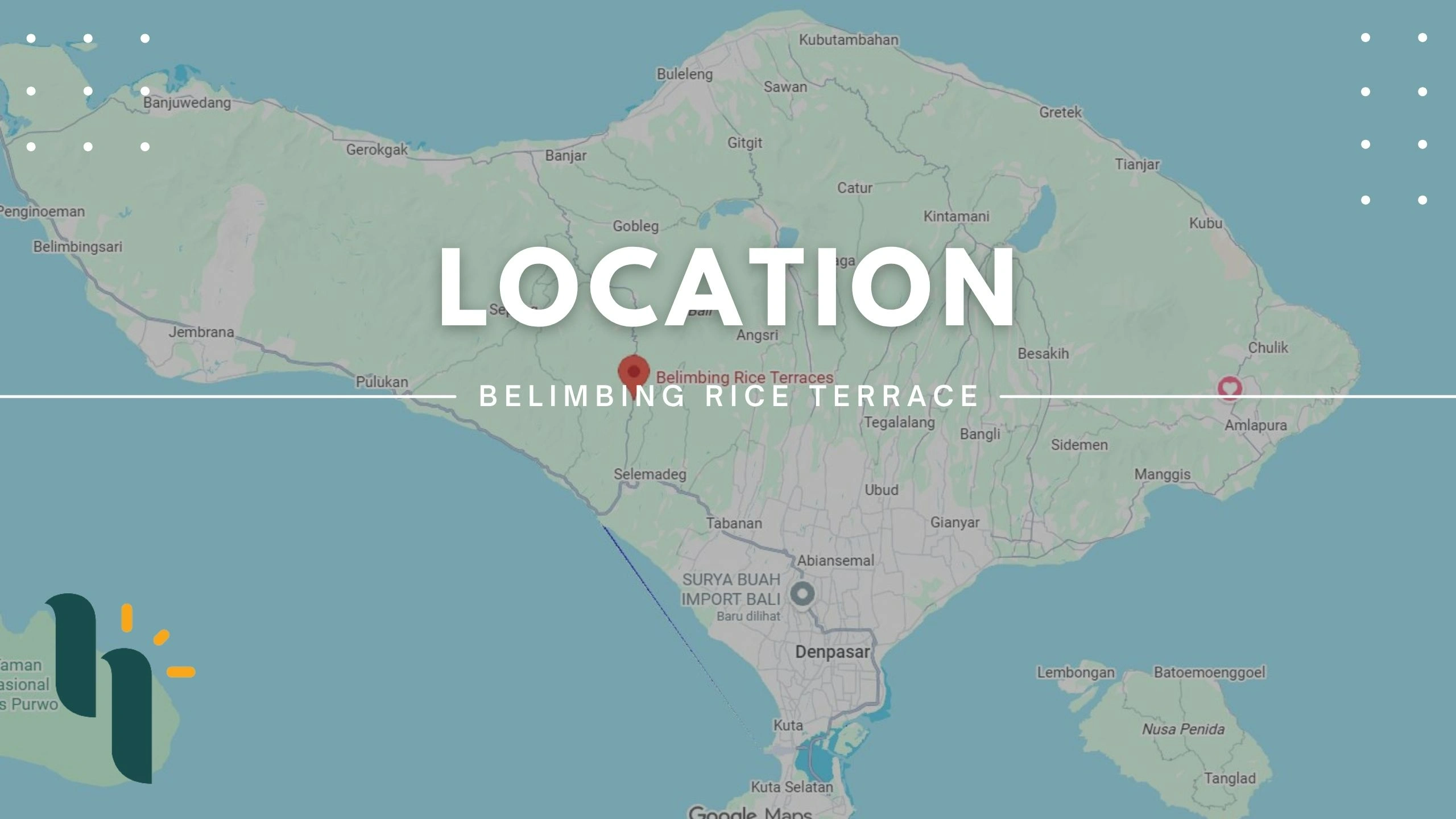
Belimbing Village is located in the western part of Tabanan Regency, approximately:
- Around 2 hours from Ubud
- About 2.5 hours from Seminyak and Canggu
- Around 2 hours from Denpasar
- Close to Pupuan, Mount Batukaru, Batukaru Temple, and the scenic highlands of western Bali
Its location places Belimbing along one of Bali’s most beautiful countryside routes, making it an excellent stop for travelers exploring West Bali, Bedugul, Lake Beratan, Ulun Danu Beratan Temple, Soka Beach, or Medewi Beach.
Many visitors include Belimbing as part of a full-day West Bali Tour, allowing them to experience several iconic natural and cultural attractions without rushing between destinations.
Why Visit Belimbing Rice Terraces?
One of the biggest reasons to visit Belimbing is its authenticity.
While many famous attractions in Bali have developed extensive tourism facilities, Belimbing continues to preserve the peaceful atmosphere of a traditional Balinese farming village. Visitors can enjoy uninterrupted views of rolling rice terraces without the crowds commonly found at more popular locations.
The landscape changes throughout the year, creating different shades of green and gold depending on the rice growing season. Combined with Bali’s tropical climate, volcanic soil, and mountain-fed irrigation channels, the scenery remains vibrant in every season.
Another reason travelers love Belimbing is its slower pace. Instead of rushing from one photo spot to another, visitors can spend time walking through rice paddies, listening to birds, watching farmers at work, and appreciating the harmony between people and nature.
This combination of scenic beauty, cultural heritage, and tranquility makes Belimbing one of the most rewarding hidden rice terraces in Bali.
Is Belimbing Rice Terraces Worth Visiting?
Absolutely.
If your goal is to discover the quieter side of Bali, Belimbing Rice Terraces are well worth adding to your itinerary. The destination appeals to travelers looking for authentic experiences rather than crowded tourist hotspots.
Belimbing is particularly suitable for:
- Nature lovers seeking peaceful landscapes.
- Photographers searching for untouched panoramic views.
- Couples looking for romantic countryside scenery.
- Families interested in Balinese culture and agriculture.
- Travelers exploring destinations beyond the usual tourist trail.
- Visitors interested in eco tourism and sustainable travel.
Because tourism remains relatively low compared to other famous rice terraces, visitors can enjoy a more personal connection with the landscape and local community.
What Makes Belimbing Rice Terraces Unique?
Several features distinguish Belimbing from other Bali rice terraces.
First, the terraces are integrated into an active farming community rather than a heavily commercialized tourist destination. The surrounding villages continue practicing traditional agriculture using the centuries-old Subak Irrigation System, recognized as part of Bali’s UNESCO cultural landscape.
Second, Belimbing’s location near Mount Batukaru creates a cooler climate and fertile volcanic soil that support year-round rice cultivation alongside coffee, cloves, cacao, and tropical fruit plantations.
Finally, the panoramic views combine rolling rice fields, forested hills, traditional Balinese villages, and distant mountain scenery, offering one of the most authentic landscapes in western Bali.
Unlike destinations focused primarily on sightseeing, Belimbing allows visitors to experience the living heritage of Balinese agriculture, where culture, spirituality, and sustainable farming continue to shape everyday life.
How Do Belimbing Rice Terraces Compare to Jatiluwih?
When travelers search for the best rice terraces in Bali, Jatiluwih Rice Terraces usually appear first. As a designated UNESCO World Heritage site, Jatiluwih has earned international recognition for its spectacular landscapes and its connection to Bali’s ancient Subak Irrigation System.
However, Belimbing Rice Terraces offer a distinctly different experience.
Jatiluwih is larger, more developed for tourism, and equipped with visitor facilities, restaurants, official walking trails, and multiple viewpoints. It attracts thousands of visitors every week, particularly during the high season.
Belimbing, on the other hand, remains largely untouched by mass tourism. Instead of organized sightseeing routes, visitors discover quiet country roads, traditional farming paths, and small villages where daily agricultural life continues much as it has for generations.
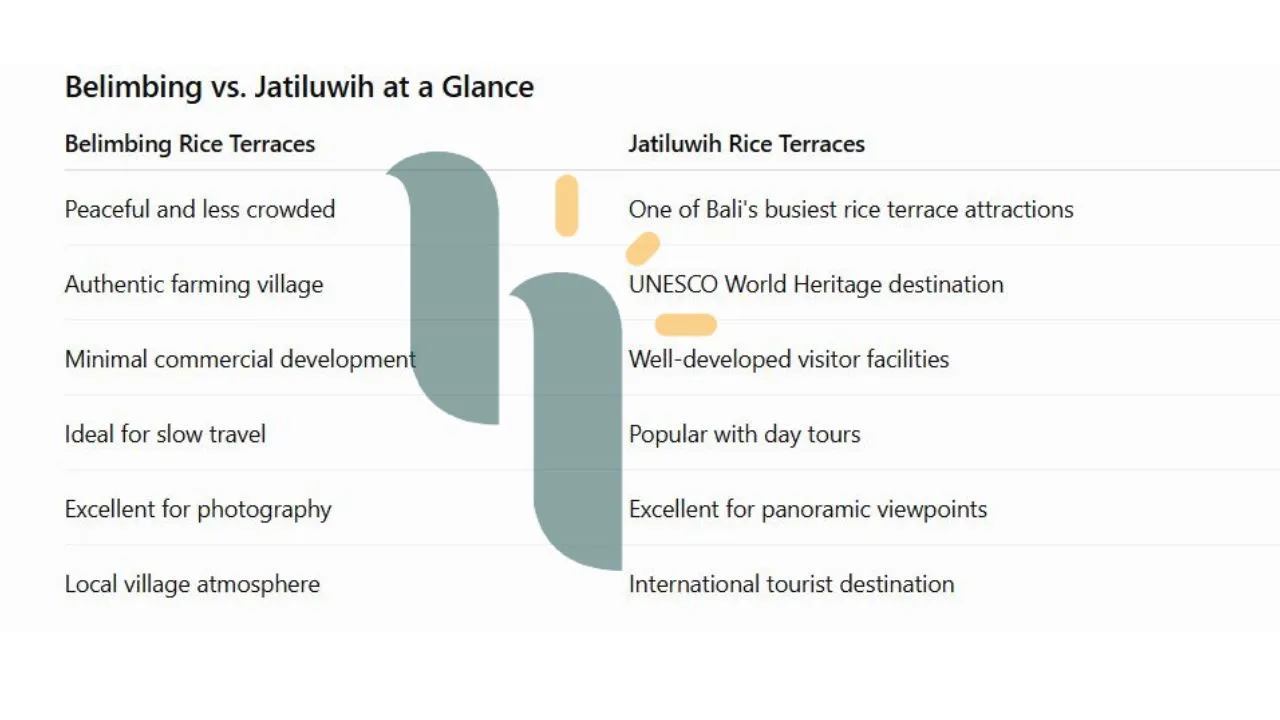
Rather than choosing one over the other, many experienced travelers recommend visiting both. Jatiluwih showcases Bali’s globally recognized cultural landscape, while Belimbing reveals what everyday rural life still looks like in the island’s farming communities.
How Old Are Belimbing Rice Terraces?
Unlike many modern attractions, the Belimbing Rice Terraces were not intentionally created for tourism. They evolved gradually through centuries of agricultural practice.
Although there is no precise historical record establishing the exact age of the terraces, the farming traditions in Tabanan Regency date back hundreds of years. The landscape developed alongside Bali’s ancient irrigation network, which has shaped agricultural life since at least the 9th century.
Generation after generation, local families have maintained the terraces by hand, adapting them to the natural contours of the hills rather than altering the landscape through large-scale engineering.
This continuity makes Belimbing far more than a scenic destination. It is a living example of Balinese heritage, where agriculture, spirituality, and community remain closely connected.
What Is the Subak System in Belimbing?
One of the most fascinating aspects of visiting Belimbing Rice Terraces is understanding the Subak Irrigation System.
Subak is often described as an irrigation network, but it is actually much more than that.
It is a centuries-old community organization that manages water distribution, farming schedules, environmental conservation, and religious ceremonies among local farmers.
Instead of competing for water resources, members of each Subak cooperate to ensure that every rice field receives sufficient irrigation throughout the growing season.
This remarkable balance between people, nature, and spirituality reflects the Balinese philosophy of Tri Hita Karana, which emphasizes harmony between:
- Humans and nature
- Humans and fellow humans
- Humans and the spiritual world
Because of its cultural significance, Bali’s Cultural Landscape of the Subak System was inscribed as a UNESCO World Heritage Site in 2012.
Although Belimbing itself is less famous than nearby Jatiluwih, it continues to practice the same traditional irrigation principles that have sustained farming communities for centuries.
Why the Subak System Still Matters Today
Modern agriculture around the world increasingly relies on mechanization and intensive farming methods.
Belimbing offers a different perspective.
The Subak system demonstrates how sustainable agriculture can support both food production and environmental conservation without sacrificing cultural identity.
The irrigation channels follow the natural contours of the hills, allowing water to flow efficiently from mountain springs toward lower rice fields.
This traditional approach helps preserve:
- Soil fertility
- Water quality
- Biodiversity
- Native vegetation
- Local farming traditions
As visitors walk through the rice terraces, they may notice narrow canals carrying crystal-clear mountain water between fields. These irrigation channels remain an essential part of everyday farming life.
More Than Rice Fields: A Living Cultural Landscape
Belimbing is not simply a place to admire beautiful scenery.
It represents a complete rural ecosystem where agriculture, religion, architecture, and community life continue to coexist.
Visitors often encounter:
- Traditional Balinese homes
- Family temples
- Village shrines
- Local farmers harvesting rice
- Children cycling through the countryside
- Small roadside warungs serving local dishes
These everyday moments create an authentic travel experience that cannot be replicated in more commercial destinations.
Rather than feeling like an attraction designed for tourists, Belimbing feels like a community that warmly welcomes respectful visitors.
Supporting Sustainable and Community-Based Tourism
Choosing destinations like Belimbing also helps distribute tourism benefits beyond Bali’s busiest areas.
Local guides, family-owned cafés, farmers, and small businesses all contribute to the visitor experience. By spending time in traditional villages, travelers support community-based tourism while helping preserve Bali’s farming heritage for future generations.
For visitors planning to explore several natural attractions in a single day including Belimbing Rice Terraces, Batukaru Temple, Bedugul, Lake Beratan, and Ulun Danu Beratan Temple joining a Bali Tour can be a convenient way to experience these destinations efficiently while gaining local insights into their history and cultural significance.
Best Time to Visit Belimbing Rice Terraces
Although Belimbing is beautiful throughout the year, certain seasons provide particularly stunning scenery.
Green Season
During the rice growing season, the terraces transform into vibrant emerald landscapes. This is often considered the most photogenic time to visit.
Harvest Season
Golden rice fields create a completely different atmosphere and offer insight into traditional harvesting techniques still practiced by local farmers.
Morning
Early morning is generally the best time for photography. Cooler temperatures, softer light, and occasional mountain mist create spectacular views across the terraces.
Dry Season
Between approximately April and October, walking trails are generally easier to explore due to lower rainfall.
How to Visit Belimbing Rice Terraces
There are several ways to explore Belimbing depending on your travel style.
Self-Drive
Renting a car or scooter offers flexibility, although some rural roads are narrow and winding.
Private Driver
Hiring a local driver is one of the most comfortable options, especially for first-time visitors who want to learn more about the region.
Guided Day Tour
Many visitors include Belimbing as part of a West Bali Tour, combining multiple attractions into one itinerary. A typical route may include:
- Belimbing Rice Terraces
- Batukaru Temple
- Jatiluwih Rice Terraces
- Bedugul
- Lake Beratan
- Ulun Danu Beratan Temple
- Scenic viewpoints across the Bali Highlands
This option is particularly convenient for travelers who prefer not to navigate unfamiliar mountain roads.
Things to Do Near Belimbing Village
Belimbing’s central location makes it an excellent base for exploring western and central Bali.
Nearby attractions include:
Batukaru Temple
One of Bali’s most peaceful temples, surrounded by dense rainforest on the slopes of Mount Batukaru.
Jatiluwih Rice Terraces
The island’s most famous rice terraces and part of the UNESCO Cultural Landscape.
Pupuan
A scenic highland area known for dramatic valleys, coffee plantations, and panoramic mountain roads.
Bedugul
A cool mountain destination featuring botanical gardens, local markets, and beautiful lake views.
Lake Beratan
One of Bali’s most iconic volcanic lakes, surrounded by misty mountains.
Ulun Danu Beratan Temple
A floating water temple that remains one of Bali’s most recognizable cultural landmarks.
Soka Beach
A peaceful black-sand beach perfect for relaxing after exploring the countryside.
Medewi Beach
Popular with surfers seeking long, consistent waves and a quieter coastal atmosphere.
Frequently Asked Questions
What are Belimbing Rice Terraces?
Belimbing Rice Terraces are traditional rice fields located in Belimbing Village, Tabanan Regency, showcasing Bali’s centuries-old agricultural heritage and the Subak Irrigation System.
Is Belimbing Rice Terraces worth visiting?
Yes. They offer authentic rural scenery, peaceful walking trails, and a genuine connection to Balinese farming culture without the crowds found at more famous attractions.
How Far Are Belimbing Rice Terraces from Ubud?
Belimbing Rice Terraces are approximately 65–75 kilometers (40–47 miles) from Ubud, depending on your starting point and chosen route.
Travel times typically are:
- Ubud: around 2 hours
- Canggu: around 2–2.5 hours
- Seminyak: around 2.5 hours
- Kuta: around 2.5 hours
- Denpasar: around 2 hours
How do Belimbing Rice Terraces compare to Jatiluwih?
Jatiluwih is larger and internationally recognized as a UNESCO World Heritage Site, while Belimbing offers a quieter, less commercialized experience with equally beautiful countryside views.
What makes Belimbing Rice Terraces unique?
Its combination of active farming, traditional villages, sustainable agriculture, volcanic landscapes, and community-based tourism creates an authentic cultural experience.
Can you trek in Belimbing Rice Terraces?
Yes. Visitors can explore scenic village paths and rice field trails suitable for leisurely walks and photography.
Is Belimbing less crowded than Jatiluwih?
Yes. Belimbing remains one of Bali’s hidden gems and typically receives far fewer visitors.
How far are Belimbing Rice Terraces from Ubud?
Approximately two hours by car, depending on traffic and your starting location.
What is the Subak System in Belimbing?
The Subak System is Bali’s traditional community-managed irrigation network that distributes water fairly while reflecting the philosophy of harmony between people, nature, and spirituality.
Final Thoughts
For travelers searching beyond Bali’s famous landmarks, Belimbing Rice Terraces reveal a quieter and more authentic side of the island. Here, sweeping green landscapes, centuries-old farming traditions, and welcoming village communities come together to create an experience rooted in culture rather than commercial tourism.
Whether you’re interested in landscape photography, sustainable travel, rice field trekking, or simply discovering places that many visitors overlook, Belimbing is a destination worth adding to your itinerary. Its location also makes it an excellent gateway to explore other highlights of western Bali, including Batukaru Temple, Bedugul, Lake Beratan, and Ulun Danu Beratan Temple.
If you want to experience these attractions efficiently while gaining deeper insights from a local guide, a well-planned West Bali Tour offers an enjoyable way to connect Belimbing with the wider cultural and natural landscapes of West Bali.
0 Comment