

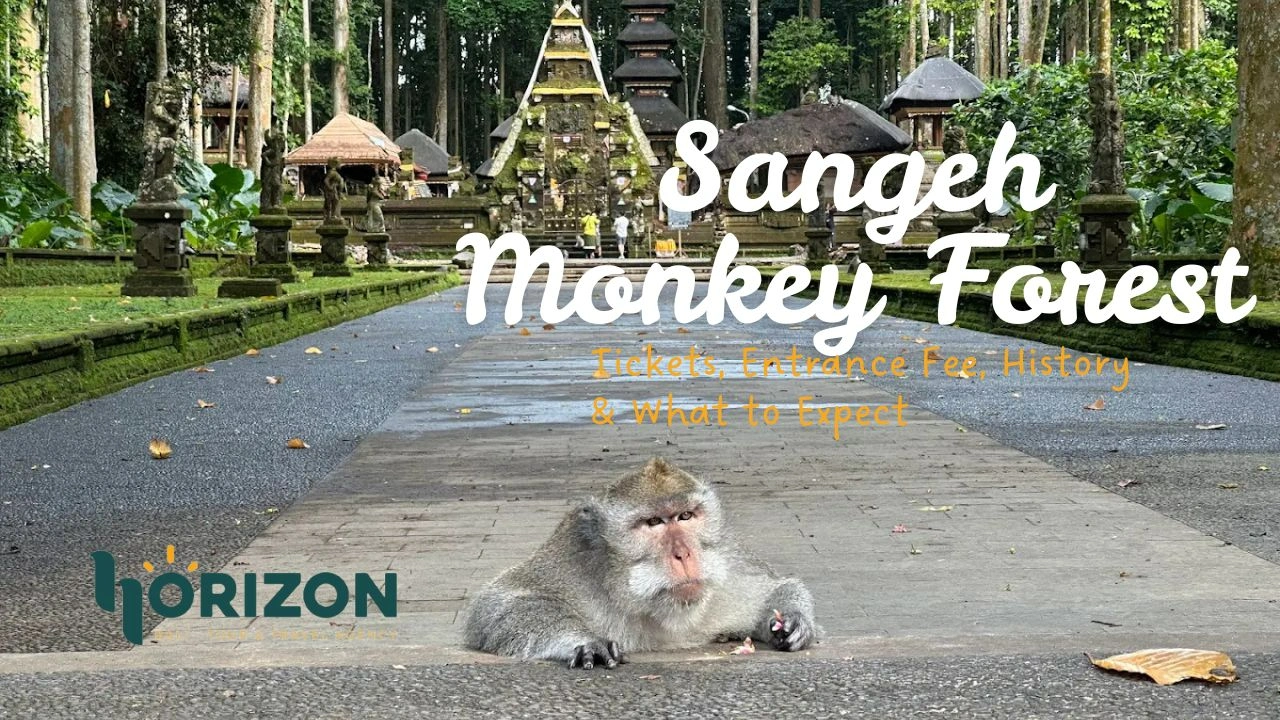

Sangeh Monkey Forest Bali is a protected forest and cultural attraction in Sangeh Village, Abiansemal, Badung Regency, where visitors can see hundreds of long-tailed macaques living among towering trees and historic Balinese temples. Unlike the better-known monkey forest in Ubud, Sangeh offers a quieter combination of wildlife, sacred forest, traditional culture, and the historic Pura Bukit Sari.
The forest is officially known as Taman Wisata Alam Sangeh (Sangeh Nature Tourism Park) and covers approximately 13.91 hectares. It is managed as a nature tourism area within Bali’s conservation landscape.
If you are planning a visit, this guide explains where Sangeh Monkey Forest is, its history, entrance fee, tickets, opening hours, monkeys, temples, photography opportunities, how to visit, safety tips, and what makes Sangeh different from other monkey forests in Bali.
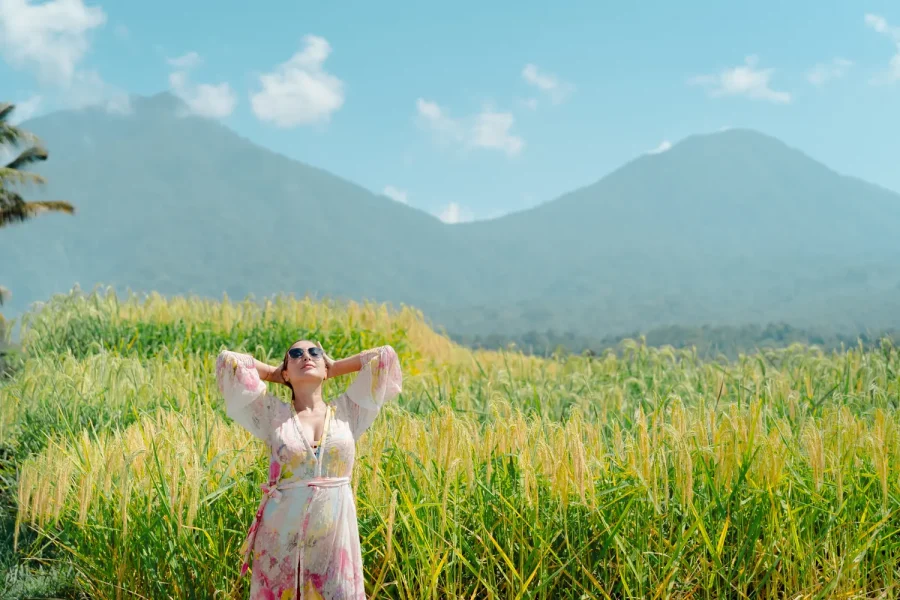

West Bali Tour – Private All Inclusive Experience
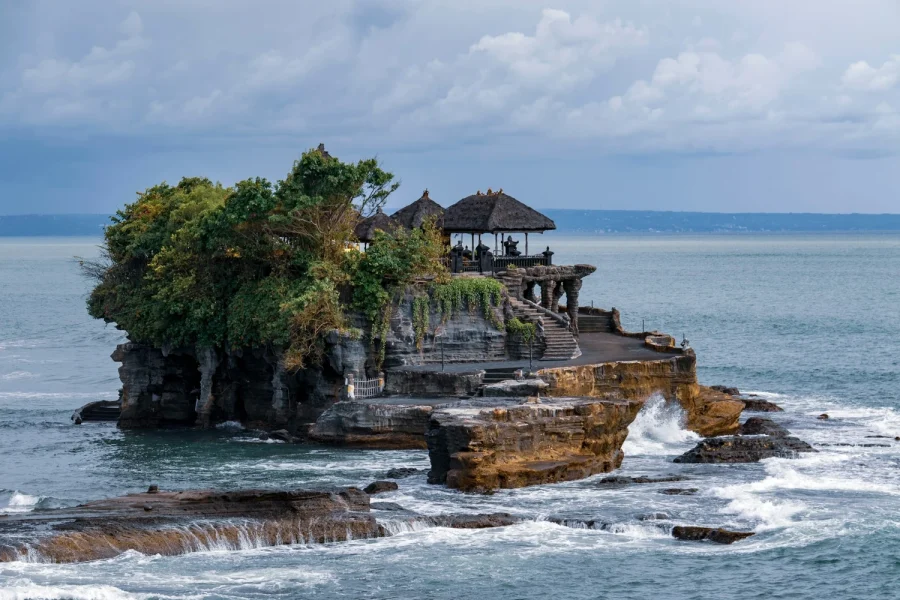
Tanah Lot Sunset Tour and Ulun Danu Temple Customizable Trip
Where Is Sangeh Monkey Forest?
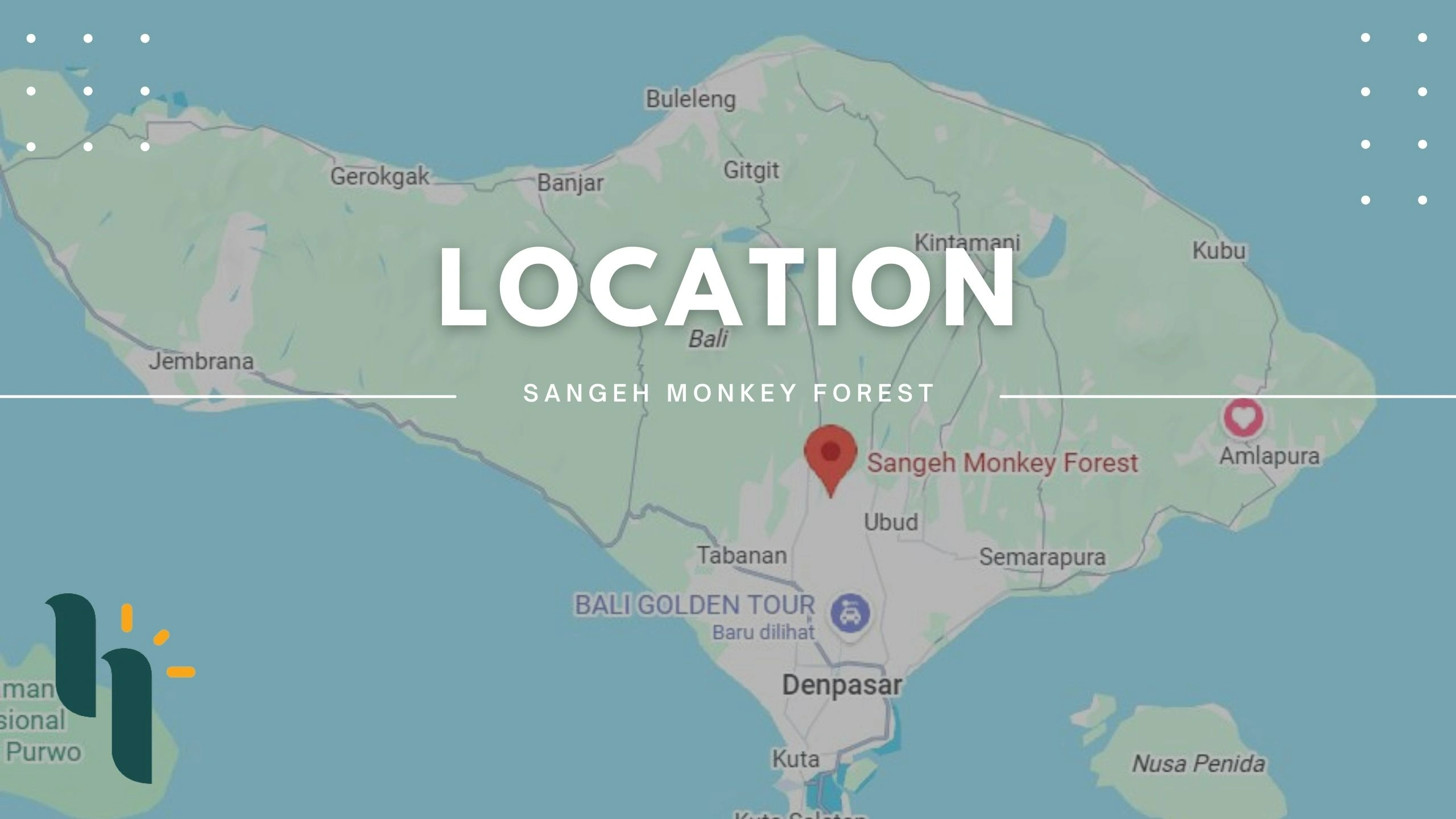
Sangeh Monkey Forest is located in Sangeh Village, Abiansemal District, Badung Regency, Bali, Indonesia.
The attraction is on Jl. Brahmana in Sangeh. Its location makes it a convenient stop for travelers exploring central and western parts of Bali.
Sangeh Monkey Forest
The destination is roughly north of Denpasar and can be reached by private car, scooter, taxi, or as part of a private Bali tour.
Because public transportation around rural Badung is limited, travelers without their own vehicle will generally find a private driver or organized tour more convenient.
What Is Sangeh Monkey Forest Famous For?
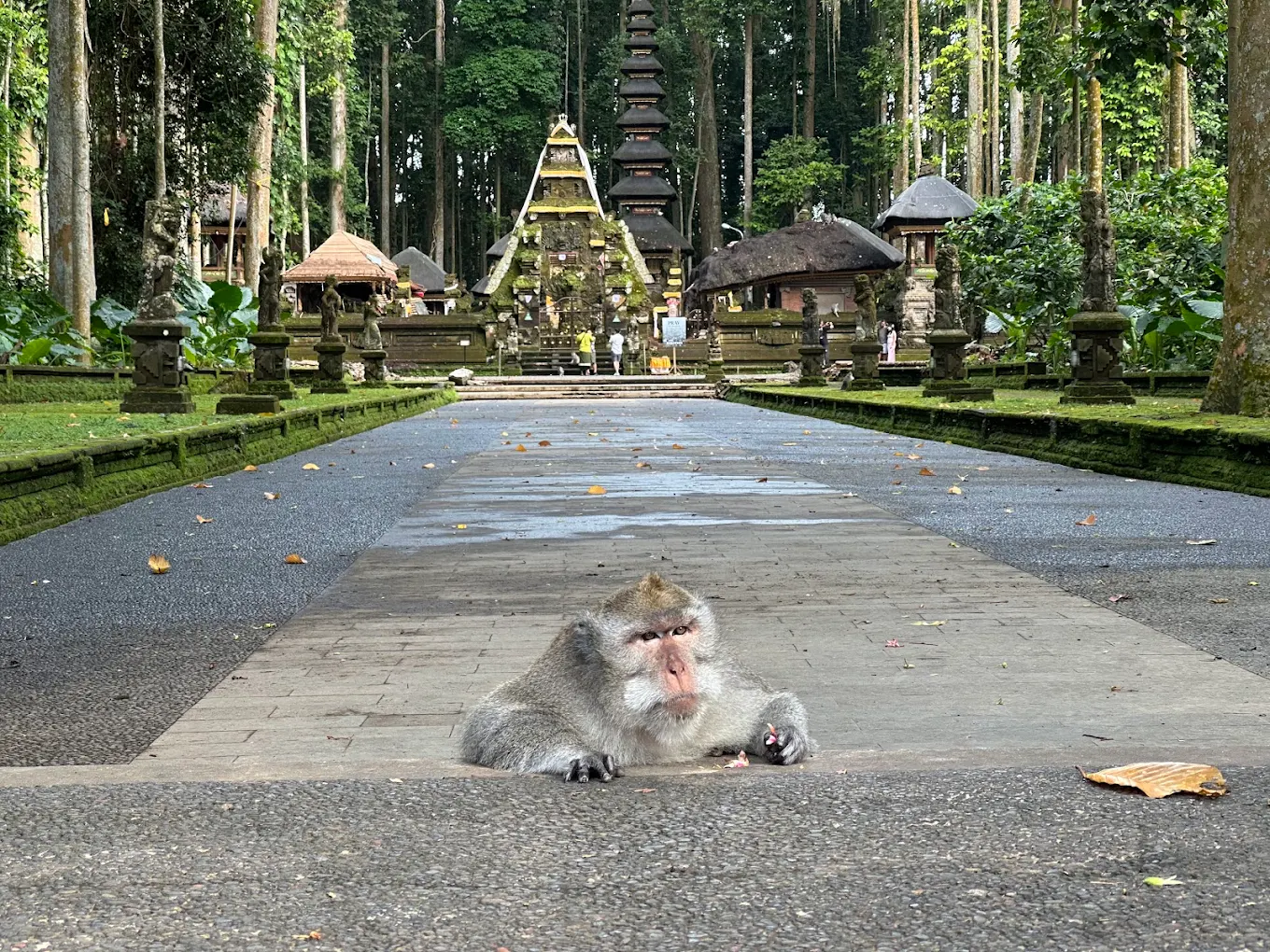
Sangeh is best known for three things: free-roaming long-tailed macaques, a sacred forest dominated by large trees, and Pura Bukit Sari, a historic temple associated with the former Mengwi Kingdom.
The official Bali tourism authority describes Sangeh as a destination where monkeys roam freely in a forest considered sacred by local residents. Pura Bukit Sari stands in the middle of the forest.
This combination gives Sangeh a different atmosphere from a conventional wildlife attraction. Visitors are not simply entering an enclosure filled with animals. They are walking through a culturally significant forest that continues to have religious importance for the local community.
The History of Sangeh Monkey Forest
Sangeh has a long history as both a forest landscape and a sacred cultural area.
According to Balai KSDA Bali, the Sangeh forest was designated as a Natuurmonumenten, or nature monument, by the Dutch colonial government on February 21, 1919. The original designated forest covered approximately 9.8 hectares. Over subsequent decades, its boundaries and conservation status changed.
In 1993, the former Sangeh Nature Reserve was changed into a Taman Wisata Alam, or Nature Tourism Park. Its current area was formally established at approximately 13.91 hectares through a 2014 Ministry of Forestry decision.
This makes Sangeh more than simply a popular monkey attraction. It is part of Bali’s longer history of forest conservation and cultural landscape protection.
Pura Bukit Sari: The Temple Inside the Forest
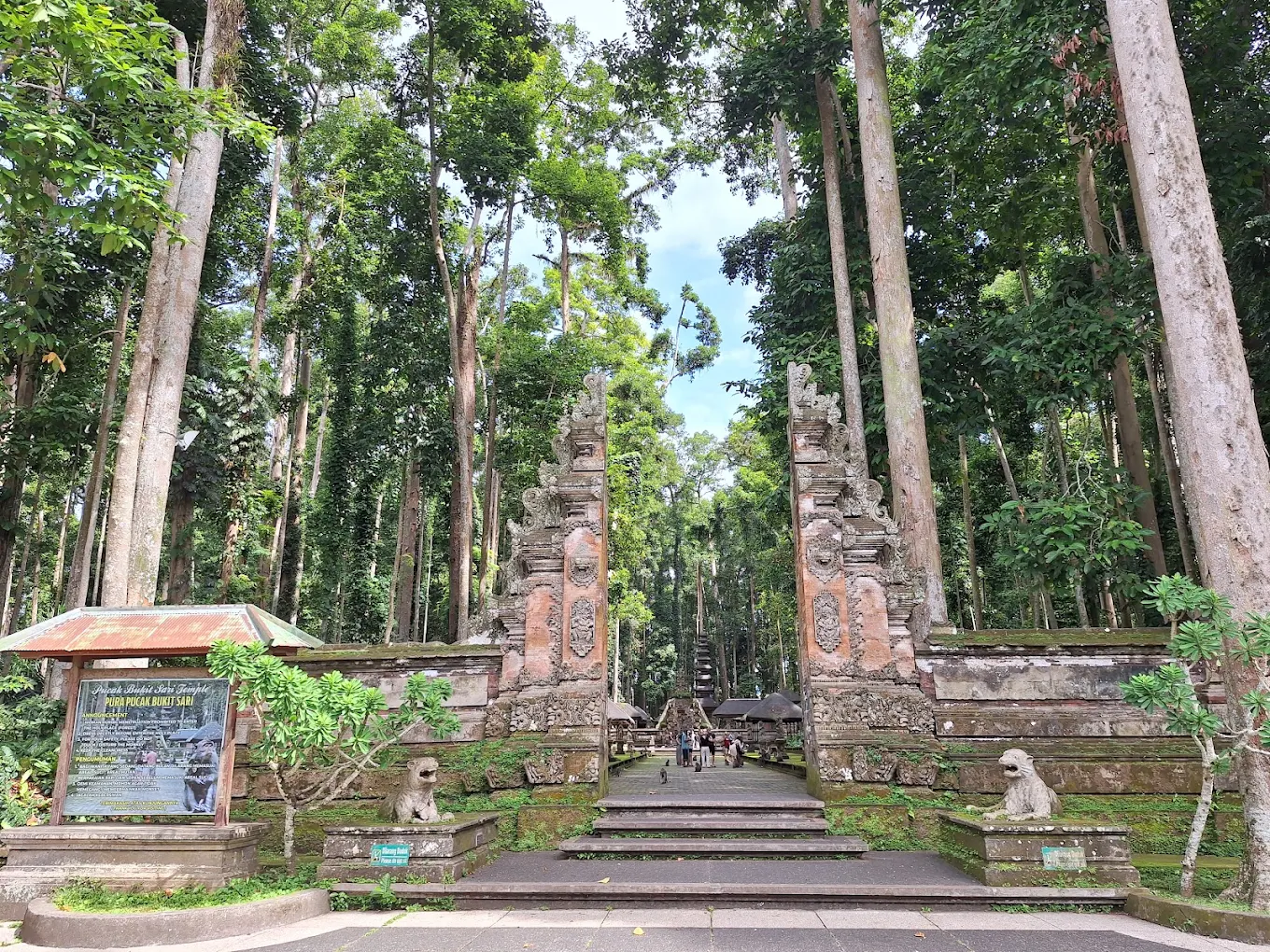
One of the most important reasons to visit Sangeh is Pura Bukit Sari, the temple located within the forest.
The temple is associated with the history of the Mengwi Kingdom and dates back to the 17th century. The official conservation authority notes that the forest and temple are closely connected, with the sacred Pala forest traditionally known as Bukit Sari.
Several other sacred sites are also found around the Sangeh area, including Pura Melanting, Pura Tirtha and Pura Anyar.
For visitors, this means that Sangeh should be approached as a cultural and spiritual site as well as a wildlife destination.
Visitors should dress respectfully and follow any local instructions when approaching temple areas.
The Monkeys at Sangeh Monkey Forest
The main wildlife attraction is the long-tailed macaque, scientifically known as Macaca fascicularis.
The official Bali conservation authority identifies this species as the dominant animal in TWA Sangeh. Its records describe approximately 600 monkeys divided into several groups, while more recent local reporting has cited populations of more than 700 animals. Population numbers can naturally change over time, so it is better to think of Sangeh as home to hundreds of macaques rather than relying on one fixed number.
The monkeys move freely through the forest and are accustomed to seeing visitors.
However, they remain wild animals.
That distinction is important. Even when a monkey appears calm or friendly, it can react suddenly if it feels threatened, especially when food, personal belongings or young animals are involved.
Can You Feed the Monkeys at Sangeh?
Yes, feeding experiences have been offered at Sangeh, but visitors should only feed monkeys through the system provided by the local management.
Recent reporting from Bali states that visitors have been able to participate in controlled monkey-feeding experiences, with food supplied for the animals. The management has also explained that part of the ticket revenue contributes to purchasing food for the monkeys.
Do not bring your own food and attempt to feed a monkey without guidance.
If you want to interact with the monkeys, follow the instructions of the staff or local guides.
Sangeh Monkey Forest Entrance Fee
One of the most common searches is “Sangeh Monkey Forest entrance fee” or “Sangeh Monkey Forest price.”
Current published prices vary depending on the ticket type and visitor category.
Recent 2026 reporting from RRI, quoting Sangeh management, states that the standard entrance fee is:
| Visitor | Reported entrance fee |
| Domestic adult | IDR 15,000 |
| Domestic child | IDR 5,000 |
| Foreign adult | IDR 75,000 |
| Foreign child | IDR 50,000 |
The same report states that the foreign visitor ticket can include water and food for the monkeys, depending on the applicable package.
Indonesia’s official tourism portal also currently lists IDR 15,000 for domestic adults, IDR 5,000 for domestic children, IDR 75,000 for foreign adults and IDR 50,000 for foreign children aged 3–10.
Because entrance fees and ticket packages can change, travelers should confirm the latest price directly with the attraction or ticket provider before visiting.
Are There Additional Sangeh Monkey Forest Tickets?
Yes. In addition to standard admission, some platforms currently offer bundled experiences such as monkey feeding, fish feeding and meal packages. For example, current Traveloka listings show several ticket bundles in addition to basic entry.
These package prices are separate from the standard government-set entrance fee and may change according to availability, promotions and booking platform.
Sangeh Monkey Forest Opening Hours
Sangeh Monkey Forest generally operates from:
08:00 AM to 05:00 PM WITA, daily.
This operating schedule is currently listed by Indonesia’s official tourism portal and current ticket listings.
If you want a quieter experience, arriving shortly after opening is usually preferable to visiting during the busiest part of the day.
What Is the Best Time to Visit Sangeh Monkey Forest?
The best time to visit Sangeh Monkey Forest is generally in the morning, particularly shortly after opening.
Morning visits offer several advantages:
- The forest is cooler.
- The light is better for photography.
- There are usually fewer visitors.
- Walking through the forest can feel more peaceful.
- You have more time to explore the cultural areas.
Late afternoon can also be pleasant, but always allow enough time to finish your visit before the attraction closes.
What Can You See at Sangeh Monkey Forest?
A visit to Sangeh is not only about monkeys.
1. Long-Tailed Macaques
The monkeys are the main attraction and can be seen moving through the trees, along paths and around the temple area.
2. Pura Bukit Sari
This historic temple provides an important cultural dimension to the forest and is one of Sangeh’s defining landmarks.
3. The Pala Forest
Sangeh is famous for its large forest dominated by trees locally associated with the Alas Pala landscape. The conservation authority lists numerous plant species within the area, including beringin, camplung, cempaka, mahoni and other native vegetation.
4. Other Wildlife
The forest ecosystem supports more than just macaques. Government and tourism sources mention a variety of birds and other wildlife in the wider forest environment.
5. Balinese Cultural Atmosphere
The combination of temple architecture, forest vegetation and traditional religious activity gives Sangeh an atmosphere that is distinctly different from a conventional animal park.
Are the Monkeys Dangerous?
Sangeh’s monkeys are accustomed to human visitors, but they are not domesticated pets.
They can grab food, bottles, sunglasses, hats and other objects. More importantly, a monkey may scratch or bite if it feels threatened.
Recent local reporting noted that staff monitor visitor interactions and advise tourists to follow their instructions when feeding or approaching monkeys.
For a safer visit:
- Keep food inside your bag unless staff instruct you otherwise.
- Avoid teasing or chasing monkeys.
- Do not stare aggressively at a dominant monkey.
- Keep sunglasses and loose accessories secure.
- Avoid touching baby monkeys.
- Do not attempt to pick up a monkey.
- Follow staff instructions.
- Give monkeys enough space to move away.
If a monkey approaches you, stay calm and avoid sudden movements.
What Should You Wear to Sangeh Monkey Forest?
Comfortable, breathable clothing and walking shoes are recommended.
Because Sangeh contains sacred temple areas, visitors should also dress respectfully.
For temple areas, clothing that covers the shoulders and knees is appropriate. If required, follow local rules regarding wearing a sarong or other temple attire.
This is particularly important because Sangeh is not simply a wildlife attraction. It is also a sacred cultural landscape used by the local Hindu community.
How Long Do You Need at Sangeh Monkey Forest?
Most travelers can explore the main visitor area in approximately one to two hours, depending on how much time they spend observing monkeys, photographing the forest and visiting the temple area.
If you are combining Sangeh with other attractions around Badung, a shorter visit can work well.
For photographers and travelers interested in the cultural history of the site, allowing additional time is worthwhile.
Is Sangeh Monkey Forest Worth Visiting?
Yes, especially if you want a monkey forest experience that combines wildlife, forest scenery and Balinese culture.
Sangeh is particularly appealing to travelers who:
- Want to see monkeys in a natural forest environment
- Enjoy photography
- Are interested in Balinese temples
- Prefer a cultural experience alongside nature
- Want an alternative to the more famous Ubud Monkey Forest
- Are exploring Badung and central Bali
Its relatively compact visitor area also makes it easy to combine with other Bali attractions in a private day itinerary.
Sangeh Monkey Forest vs Ubud Monkey Forest
Sangeh and Ubud’s Sacred Monkey Forest are both famous monkey destinations, but they offer different experiences.
Sangeh Monkey Forest is particularly associated with its large forest landscape, Pura Bukit Sari, the history of the Mengwi Kingdom and the sacred Alas Pala environment.
Ubud Monkey Forest is more integrated into the tourism and cultural landscape of central Ubud and is generally more convenient for travelers staying in Ubud.
If your priority is combining monkeys with a historic forest and temple environment, Sangeh is a strong choice.
If your priority is exploring Ubud’s cultural attractions alongside a monkey forest, the Ubud attraction may be more convenient.
What Other Places Can You Visit Near Sangeh?
Sangeh is located in an area where several cultural and natural attractions can be combined into a day trip.
Depending on your itinerary, nearby destinations may include:
- Mengwi and its historic temple complex
- Taman Ayun Temple
- traditional Balinese villages
- rice fields around Badung
- Ubud
- Tanah Lot
- other attractions in central and western Bali
If you are planning a broader journey through western Bali, a Tabanan travel guide can also help you discover nearby rice terraces, traditional villages, temples and coastal attractions beyond Sangeh.
How Do You Get to Sangeh Monkey Forest?
The easiest way to reach Sangeh is by private car, private driver or scooter. For travelers who want to combine Sangeh with cultural attractions across western Bali, a West Bali private tour can provide a convenient way to visit multiple destinations in one day.
From the main tourist areas of southern Bali, travel times can vary considerably depending on traffic.
Driving from Kuta, Seminyak, Canggu, Sanur or other southern areas can take longer during peak traffic periods.
For travelers who want to visit Sangeh together with several temples and natural attractions, hiring a private driver can be more practical than relying on separate taxi rides.
Is Sangeh Monkey Forest Good for Families?
Sangeh can be suitable for families, particularly children interested in animals and nature.
However, parents should supervise children closely around the monkeys.
Children should not:
- chase monkeys
- scream at them
- attempt to touch them
- offer food without supervision
- carry loose snacks around the forest
The most important lesson is that the monkeys are wild animals living in a protected environment.
Final Thoughts
Sangeh Monkey Forest Bali offers much more than a chance to photograph monkeys. Its importance comes from the relationship between the forest, wildlife, temple and local Balinese culture.
The approximately 13.91-hectare Taman Wisata Alam Sangeh contains a population of long-tailed macaques, mature forest vegetation and several sacred sites, with Pura Bukit Sari at its cultural center. Its history as a protected forest dates back to 1919, making it one of Bali’s long-established nature conservation areas.
For travelers planning a visit, the essentials are straightforward: arrive during opening hours, allow around one to two hours for the main experience, secure your belongings around the monkeys, dress respectfully around temple areas and follow local staff instructions.
If you are exploring Bali by private car, Sangeh can also be combined with other cultural and natural attractions in Badung and central Bali to create a more complete day-trip itinerary.
0 Comment