



The Jatiluwih Rice Terraces are among the most impressive agricultural landscapes in Bali, Indonesia. Located in the highlands of Tabanan Regency, Jatiluwih is famous for its vast stepped rice fields, traditional Balinese irrigation system, mountain scenery, and peaceful rural atmosphere.
Unlike some of Bali’s more compact rice terrace attractions, Jatiluwih offers a much broader landscape where visitors can walk through rice fields, enjoy panoramic views, learn about traditional farming, and experience a quieter side of Bali.
The area is also part of the Cultural Landscape of Bali Province, a UNESCO World Heritage property recognized for its traditional Subak irrigation system and the connection between agriculture, religion, community, and the natural environment.
For travelers planning a visit, this guide explains everything you need to know about Jatiluwih Rice Terrace Tabanan, including the entrance fee, location, things to do, the famous Jatiluwih swing, the best time to visit, and practical travel tips.


West Bali Tour – Private All Inclusive Experience
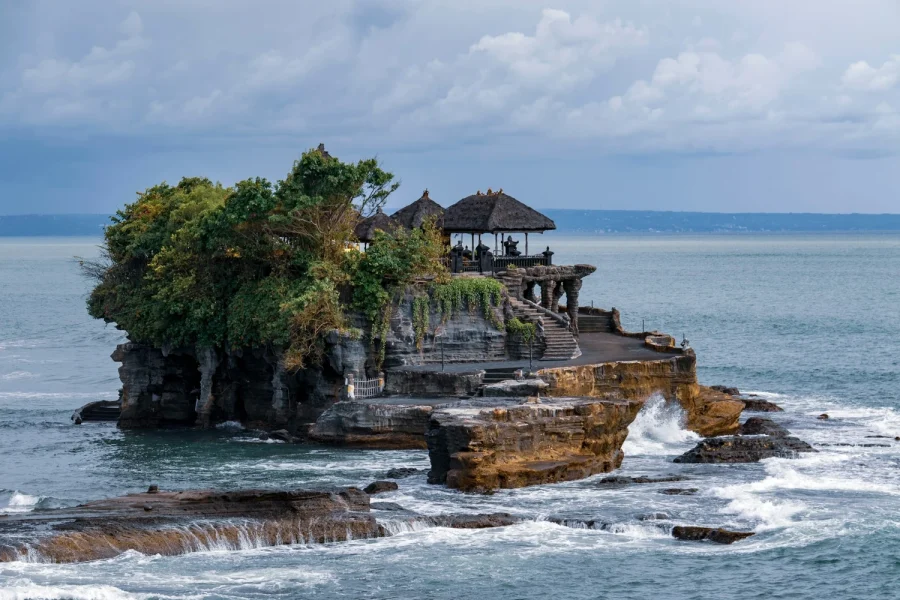
Tanah Lot Sunset Tour and Ulun Danu Temple Customizable Trip
Where Is Jatiluwih Rice Terrace?
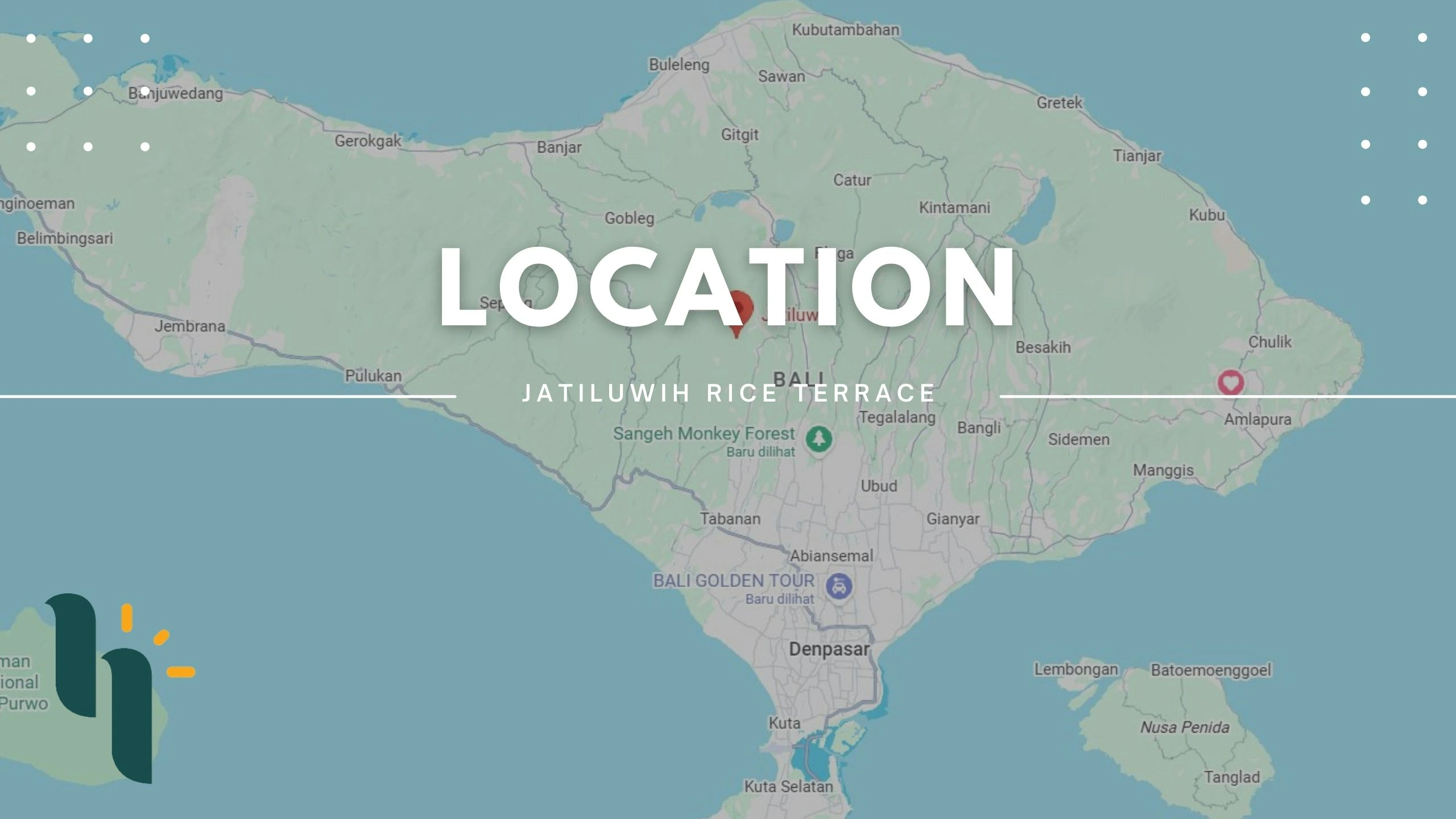
Jatiluwih is located in the mountainous part of Penebel District, Tabanan Regency, Bali. The village sits at an elevation of roughly 700 meters above sea level, giving the area a cooler climate than many coastal destinations in Bali.
The location is approximately:
- About 1.5–2 hours from Denpasar
- Around 1.5 hours from Seminyak or Canggu, depending on traffic
- Around 1.5–2 hours from Ubud
- Around 1 hour from Tanah Lot
- Around 1–1.5 hours from Bedugul
Travel times can vary significantly because Bali traffic is unpredictable, particularly during weekends, holidays, and peak tourist hours.
The journey to Jatiluwih is part of the experience. As you travel deeper into Tabanan, the landscape gradually changes from busy tourist areas to villages, plantations, temples, and agricultural land.
Why Is Jatiluwih Famous?
Jatiluwih is best known for its enormous rice terraces and the traditional Subak irrigation system used by Balinese farmers.
Subak is not simply a method of distributing water. It represents a traditional community-based system that connects farmers, irrigation management, religious practices, and the surrounding environment.
This relationship between people, nature, and spirituality is one of the reasons the cultural landscape of Bali, including Jatiluwih, received UNESCO World Heritage recognition.
The result is a landscape that is much more than a scenic viewpoint. The rice terraces are a living agricultural environment where farming traditions continue today.
This makes visiting Jatiluwih different from simply visiting a photo attraction.
Jatiluwih Rice Terraces vs Other Rice Fields in Bali
Travelers often compare Bali Rice Terrace Jatiluwih with Tegallalang near Ubud. Both destinations offer beautiful rice landscapes, but the experience is different.
| Jatiluwih | Tegallalang |
| Located in Tabanan | Located north of Ubud |
| Much larger agricultural landscape | More compact tourist area |
| Cooler highland environment | Warmer lowland environment |
| Strong connection with Subak culture | More developed for tourism |
| Excellent for walking and scenic exploration | Popular for quick visits and photography |
| Generally more peaceful | Can become very busy |
| Better suited to travelers interested in landscape and culture | Convenient for Ubud itineraries |
If your priority is a large-scale rice landscape, nature, traditional agriculture, and a quieter atmosphere, Jatiluwih is an excellent choice.
Jatiluwih Rice Terrace Entrance Fee
One of the most common questions travelers ask is about the Jatiluwih Rice Terrace entrance fee.
Entrance fees can change over time, and different activities or attractions within the area may have separate charges. For that reason, travelers should verify the latest official rate shortly before visiting.
Rather than focusing only on the ticket price, it is useful to consider what the admission provides access to: an extensive agricultural landscape, walking routes, viewpoints, village scenery, and an opportunity to experience one of Bali’s most important cultural landscapes.
If you are planning a Bali tour, your driver or tour operator can also help confirm the current entrance arrangements before departure.
What Can You Do at Jatiluwih Rice Terraces?
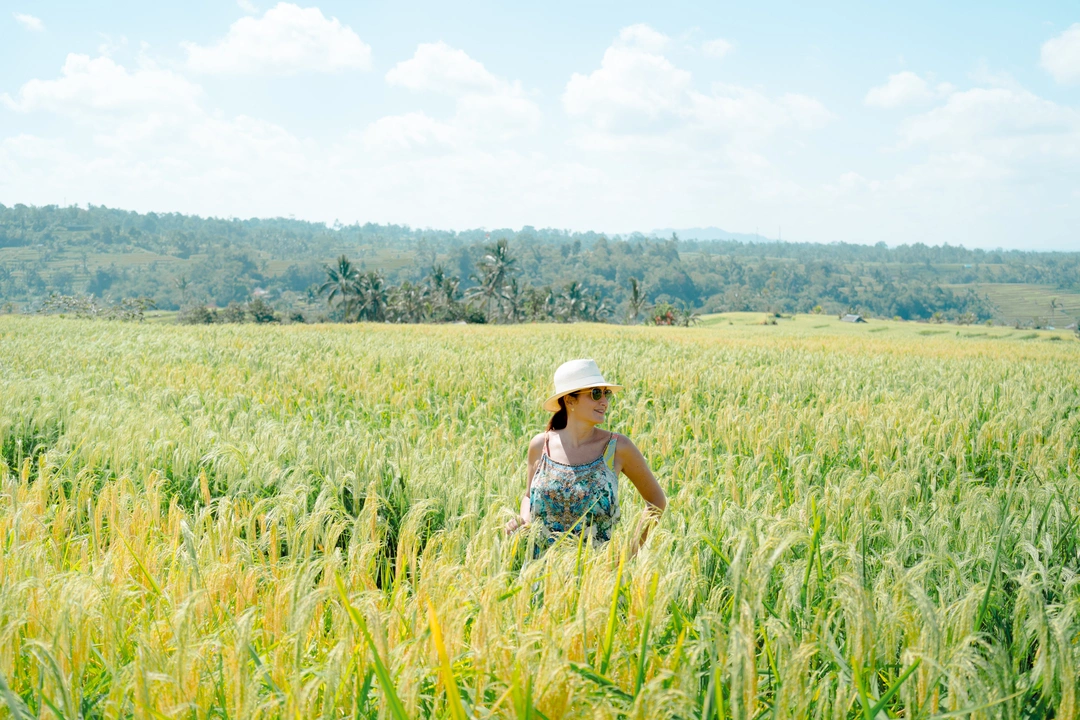
Jatiluwih is not a destination where you need to spend the entire visit at one viewpoint.
There are several ways to experience the landscape.
1. Walk Through the Rice Terraces
Walking is one of the best ways to appreciate Jatiluwih.
Several paths lead through the agricultural landscape, allowing visitors to see rice fields from different perspectives.
A walk can take you away from the main viewpoints and into quieter sections of the countryside.
Depending on the route and weather, visitors may spend anywhere from 30 minutes to several hours exploring the area.
Wear comfortable shoes because some paths can become muddy or slippery after rain.
2. Enjoy the Mountain Views
The elevated location gives Jatiluwih an impressive backdrop of Bali’s mountains.
On clear days, the combination of layered rice terraces, palm trees, traditional villages, and mountains creates one of the island’s most distinctive landscapes.
The scenery changes throughout the day as sunlight moves across the terraces.
3. Learn About Subak
For travelers interested in Balinese culture, Jatiluwih provides an opportunity to understand the Subak system in a real agricultural setting.
Rather than seeing Subak only as a historical concept, visitors can observe how water, rice cultivation, community life, and religious traditions are connected.
This cultural dimension makes Jatiluwih particularly valuable for travelers who want more than a conventional sightseeing experience.
4. Take Photos
Jatiluwih is highly photogenic, but you do not necessarily need to find a single “perfect” photo spot.
The terraces extend across a large area, so different locations provide different compositions.
Early morning can provide soft light and a quieter atmosphere, while late afternoon often creates warm tones across the fields.
Always remain respectful of farmers and avoid walking into cultivated areas unless a path or local guide indicates that it is permitted.
5. Try a Rice Terrace Swing
The Jatiluwih Rice Terrace Swing is an activity some visitors look for when planning their trip.
Swing experiences can be available at specific tourism facilities around the Jatiluwih area, but they are not the defining attraction of Jatiluwih itself.
If a swing is an important part of your itinerary, check its current availability, operating conditions, and additional fee before visiting.
For travelers primarily interested in the landscape, walking through the rice terraces remains the more authentic experience.
What Is the Best Time to Visit Jatiluwih?
The best time to visit depends on what you want to see.
For Cooler Weather
Visit in the morning when temperatures are generally more comfortable for walking.
For Photography
Early morning and late afternoon usually provide softer natural light.
Morning can also be preferable if you want fewer visitors and a more peaceful atmosphere.
For Lush Green Rice Fields
The appearance of the rice terraces depends on the agricultural cycle.
Rice fields can look dramatically different depending on whether farmers are planting, growing, or harvesting rice.
Therefore, there is no single month when Jatiluwih always looks exactly the same.
If your main priority is seeing vibrant green rice fields, it is worth checking local conditions before your trip rather than relying solely on a fixed seasonal calendar.
How Long Should You Spend at Jatiluwih?
For a quick sightseeing stop, around 1 hour may be enough to enjoy the main views.
However, travelers who want to walk through the terraces, take photographs, enjoy the scenery, and experience the rural atmosphere should consider spending 2–3 hours.
If you combine Jatiluwih with nearby attractions, a half-day or full-day itinerary can work particularly well.
For example, Jatiluwih can be combined with destinations around central and western Bali rather than being treated as an isolated attraction.
How to Get to Jatiluwih
The easiest way for most international travelers to reach Jatiluwih is by private car with a driver.
Public transportation options are limited compared with Bali’s main tourist areas.
A private driver is particularly useful because you can combine Jatiluwih with other attractions without depending on fixed transportation schedules.
For travelers staying in southern Bali, the journey can take several hours depending on traffic.
From Ubud, Jatiluwih can also work well as part of a full-day itinerary.
Is Jatiluwih Worth Visiting?
Yes, especially if you enjoy nature, photography, traditional culture, and landscapes rather than heavily commercialized attractions.
Jatiluwih is particularly worthwhile for travelers who:
- Want to see one of Bali’s largest rice landscapes
- Enjoy walking and outdoor activities
- Are interested in Balinese agriculture
- Want to learn about Subak
- Prefer quieter destinations
- Enjoy landscape photography
- Want to explore Tabanan beyond the main tourist areas
It may be less suitable for travelers who only have a few hours in Bali and want attractions located close together.
Jatiluwih in a Tabanan Itinerary
Jatiluwih is one of the destinations that makes Tabanan particularly interesting for travelers looking beyond southern Bali.
The regency is home to a combination of mountains, rice terraces, temples, traditional villages, and coastal landscapes.
Depending on your itinerary, Jatiluwih can be combined with other destinations such as:
- Tanah Lot
- Taman Ayun Temple
- Belimbing Rice Terraces
- Bedugul
- Ulun Danu Beratan
- Traditional villages around Tabanan
Because Bali traffic can be unpredictable, avoid putting too many distant attractions into a single day. A well-planned itinerary should group destinations geographically. Travelers who want to explore several destinations across Tabanan can also include Jatiluwih as part of a West Bali Tour, combining the rice terraces with cultural landmarks, traditional villages, and scenic coastal attractions.
Practical Tips for Visiting Jatiluwih
A few simple preparations can make your visit more comfortable.
Bring Comfortable Shoes
If you plan to walk through the terraces, sandals may not provide enough grip, especially after rain.
Bring Sun Protection
Although Jatiluwih is cooler than coastal Bali, you can still spend considerable time outdoors.
Bring sunscreen, sunglasses, and a hat.
Carry Drinking Water
Walking through the terraces can be tiring, particularly on longer routes.
Prepare for Rain
The highland location means weather can change quickly.
A lightweight rain jacket or umbrella is useful.
Respect Local Farmers
The rice fields are working agricultural land, not simply tourist scenery.
Stay on designated paths and do not damage crops or irrigation channels.
Bring Cash
Some smaller local facilities may not accept cards, so carrying some Indonesian rupiah is useful.
Final Thoughts
The Jatiluwih Rice Terraces offer one of the best opportunities to experience Bali beyond its beaches and busy tourist centers.
What makes Jatiluwih special is not simply the visual beauty of the terraces. The landscape represents a living relationship between agriculture, water management, community, spirituality, and the natural environment.
For travelers who want to slow down, walk through the countryside, photograph Bali’s agricultural landscape, and understand more about traditional Balinese life, Jatiluwih is well worth adding to a Bali itinerary.
If you are planning to explore several attractions in Tabanan and western Bali in one day, a private itinerary can also make it easier to manage travel time and combine Jatiluwih with nearby cultural and natural attractions.
0 Comment