


Sekumpul Waterfall is one of the most spectacular natural attractions in northern Bali. Famous for its dramatic twin waterfalls, lush tropical surroundings, and impressive jungle scenery, this destination offers a different experience from the beaches and busy tourist areas in southern Bali. Whether you are a nature lover, photography enthusiast, or traveler looking for an unforgettable adventure, visiting Sekumpul Waterfall Bali is an excellent way to discover the island’s quieter northern region.
This guide covers everything you need to plan your visit, including where Sekumpul Waterfall is located, how to get there from popular Bali destinations, entrance fees, trekking routes, and practical travel tips. It also explains what to expect when exploring the waterfall so you can prepare for the journey and make the most of your time in North Bali.
What Makes Sekumpul Waterfall Special?
If you are searching for a waterfall that showcases Bali’s natural beauty at its finest, Sekumpul Waterfall deserves a place on your travel itinerary. Located in the lush highlands of North Bali, this spectacular attraction is famous for its collection of tall waterfalls cascading down a dramatic green valley. Unlike some waterfalls that are easily accessible from the roadside, reaching the main waterfall requires a rewarding walk through tropical vegetation, village paths, steep staircases, and shallow river crossings. The journey itself becomes part of the experience, giving visitors an opportunity to appreciate the quieter side of Bali.
The name Sekumpul comes from an Indonesian word meaning a collection or group, which perfectly describes the natural landscape. Several waterfalls flow down the surrounding cliffs, creating an impressive scene that looks especially beautiful when viewed from the opposite side of the valley. The main cascades are often described as reaching approximately 80 meters in height, making them among the most impressive waterfalls on the island. Their powerful streams, surrounded by dense jungle and tropical plants, create a refreshing atmosphere far removed from Bali’s crowded beaches and commercial tourist districts.
What makes the destination even more interesting is its connection with the surrounding village. Local residents play an important role in managing visitor access, maintaining trekking paths, and providing guiding services. Rather than simply visiting a viewpoint and leaving, travelers can explore the landscape with people who understand the area’s natural environment. Whether you choose a short visit to enjoy the panoramic scenery or a longer adventure down to the waterfall basin, Sekumpul offers an experience that combines nature, local culture, and outdoor exploration.
Where Is Sekumpul Waterfall Located?
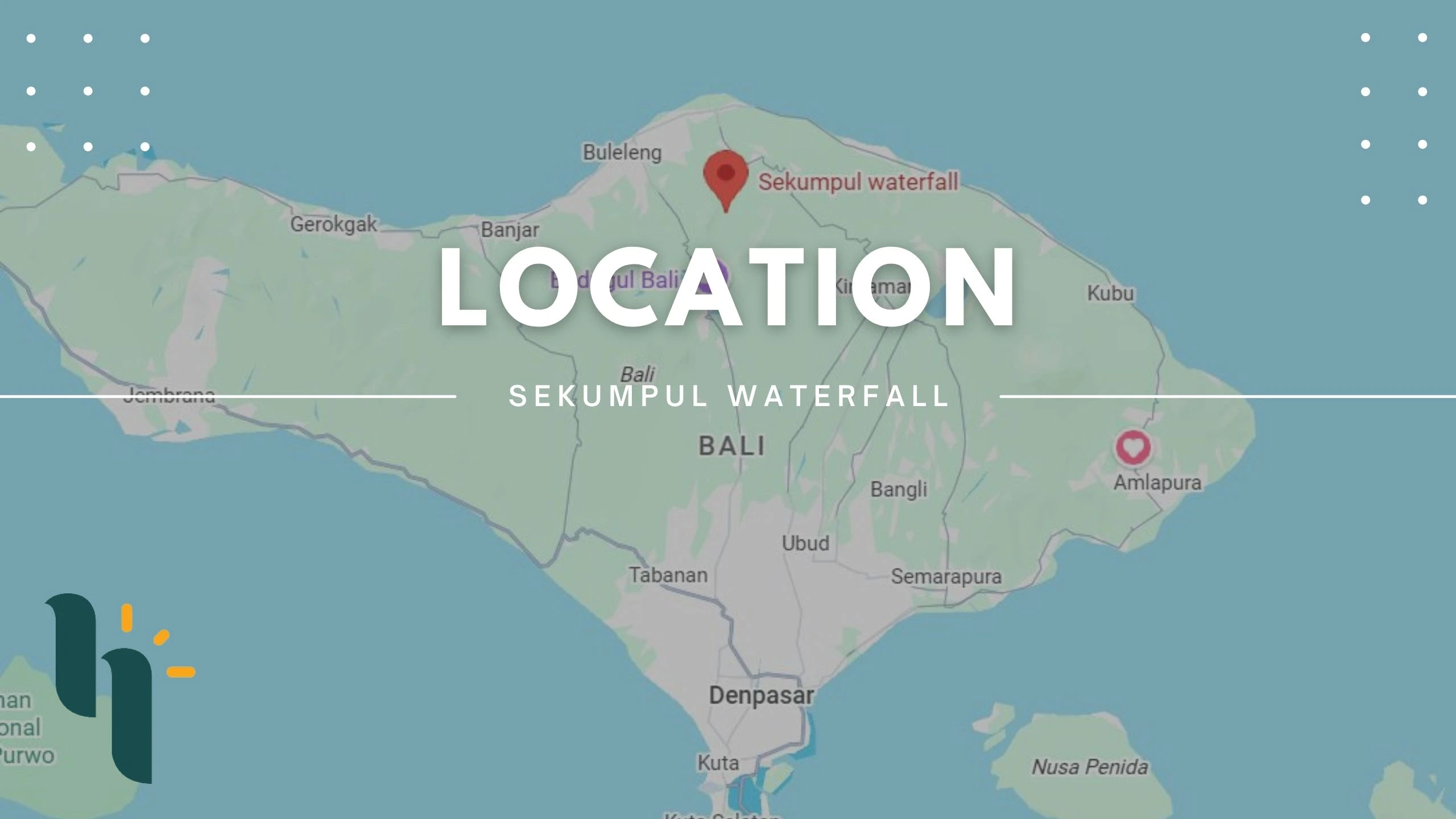
Sekumpul Waterfall is located in Sekumpul Village, Sawan District, Buleleng Regency, in the northern part of Bali, Indonesia. The attraction sits within a mountainous landscape characterized by tropical forests, traditional villages, plantations, and fertile hillsides. Its location makes it a popular destination for travelers who want to explore North Bali beyond the better-known coastal attractions around Lovina and Singaraja.
Although many international visitors associate Bali with Seminyak, Canggu, Kuta, and Uluwatu, the northern region offers a completely different atmosphere. The landscape becomes greener as you travel inland, with winding mountain roads, small agricultural communities, and panoramic views of the surrounding countryside. Sekumpul is approximately 20 kilometers from Singaraja and around 76 kilometers from Denpasar by the distances reported by local government tourism information. Actual driving distances and travel times depend on your starting point and selected route.
The waterfall is also relatively close to several other natural attractions in Buleleng, making it possible to combine the visit with a broader North Bali exploration. Visitors staying around Lovina can reach the area more conveniently than travelers coming from southern Bali. If you are staying in Ubud, Canggu, or Seminyak, it is better to organize an early departure because the journey can take several hours.
Why Visit Sekumpul Waterfall in North Bali?

One of the biggest reasons to visit Sekumpul Waterfall is its impressive natural setting. Instead of a single cascade surrounded by a small swimming area, you will discover multiple waterfalls descending through a deep tropical valley. The combination of enormous cliffs, flowing water, green vegetation, and fresh mountain air creates a dramatic landscape that is difficult to forget. For travelers who enjoy photography, the panoramic viewpoint offers excellent opportunities to capture the waterfalls from above before beginning the descent.
Another reason is the adventure involved in reaching the waterfall. The trekking route takes you through the traditional village environment, along concrete paths, and down a series of stairs toward the river. As you get closer, the sound of falling water becomes increasingly powerful. The final approach reveals the waterfalls in all their glory, with mist rising from the basin and water flowing over the surrounding rocks. It feels like discovering a hidden natural attraction rather than visiting an ordinary tourist stop.
Sekumpul is also an excellent destination for people interested in discovering a different side of Bali. North Bali is generally quieter than the southern tourist areas, and its natural scenery provides a welcome change from beach clubs, shopping streets, and busy restaurants. A visit can introduce you to local village life, traditional agricultural landscapes, and the natural environment of Buleleng.
For travelers planning a longer holiday, exploring the region can become part of a wider Bali tour package that includes temples, mountain viewpoints, lakes, and other waterfalls. This is particularly useful if you want to experience several different landscapes in one day rather than spending your entire holiday around the southern coast.
Sekumpul Waterfall Map and Directions
Understanding the location of Sekumpul Waterfall before leaving your hotel can make your journey considerably easier. The attraction is situated inland from Singaraja, in the mountainous area of Sawan District. It is not directly beside the main coastal highway, so you need to travel through local roads and village areas before reaching the official visitor entrance.
For navigation, search for Sekumpul Waterfall, Sawan, Buleleng, Bali on Google Maps. You can also use the approximate coordinates of the waterfall area: 8°07’58.48″S, 115°10’21.72″E. However, remember that the waterfall viewpoint, village parking area, and trekking entrance are not necessarily the same location. Follow the directions to the official entrance and ticket counter rather than stopping at an unrelated roadside registration point.
The route generally involves driving toward Buleleng before continuing inland to Sekumpul Village. Once you arrive, you will park your vehicle and continue on foot. Depending on the trekking package, your local guide will direct you toward the viewpoint or down into the waterfall valley.
It is advisable to download an offline map before traveling, especially if you are using a mobile navigation application. Mobile reception can vary in mountainous areas, and having directions available offline can prevent unnecessary delays. You should also allow extra travel time because some sections of the road are narrow and winding.
How to Get to Sekumpul Waterfall
There are several ways to reach Sekumpul Waterfall, depending on where you are staying in Bali. You can travel by private car, hire a local driver, join an organized sightseeing tour, or ride a motorbike if you have sufficient riding experience. However, because the attraction is located in a mountainous part of northern Bali, choosing comfortable transportation is important.
A private car with a local driver is one of the most convenient options, especially for families, couples, and small groups. You can arrange hotel pickup, travel directly to the waterfall, and adjust your schedule depending on the weather and trekking conditions. It also eliminates the need to navigate unfamiliar roads or find parking independently.
From Denpasar and Kuta
If you are traveling from Denpasar or Kuta, expect a journey of approximately 2.5 to 3 hours by car, depending on traffic and road conditions. The route takes you away from the busy southern part of Bali and gradually toward the island’s northern highlands. Along the way, you will pass traditional villages, agricultural landscapes, and beautiful mountain scenery.
An early departure is recommended because the journey is relatively long and you will still need time to complete the waterfall trekking. Leaving your hotel around 6:00 AM or 6:30 AM gives you a better opportunity to reach the area during the cooler part of the day. It also leaves enough time to explore the waterfall without feeling rushed.
Travelers staying in Seminyak, Canggu, or Jimbaran should consider similar departure times. Although the exact journey varies, starting early is generally more comfortable than arriving around midday when temperatures and humidity may be higher.
From Ubud
Traveling from Ubud to Sekumpul Waterfall is another popular option, especially for visitors who want to explore North Bali’s natural attractions. The journey generally takes around 2.5 to 3 hours by car, depending on your hotel location, traffic, and chosen mountain route.
The drive offers an opportunity to enjoy a more scenic side of the island. As you leave Ubud, the surrounding landscape gradually changes from rice terraces and traditional villages to mountain scenery and tropical vegetation. Some travelers choose to combine the journey with other destinations, such as Ulun Danu Beratan Temple or the scenic highlands around Bedugul.
If you are planning a full-day excursion, arrange your transportation in advance and discuss the itinerary with your driver. Sekumpul involves physical activity, so it is important to leave enough time for the trek and the return journey. Trying to visit too many attractions in one day can make the experience unnecessarily tiring.
From Singaraja and Lovina
Travelers staying in Singaraja or Lovina have a shorter journey to Sekumpul Waterfall. From Singaraja, the drive generally takes around 45 minutes to an hour, depending on road conditions and your exact starting location. From Lovina, allow approximately 45 to 60 minutes.
This makes Sekumpul an excellent day trip for visitors staying in North Bali. You can leave your accommodation in the morning, spend several hours exploring the waterfall, and return to the coast in the afternoon. If you are staying around Lovina, you can also consider combining your trip with other nearby attractions or enjoying a relaxing evening by the beach.
Sekumpul Waterfall Entrance Fee
Before visiting, it is important to understand that the Sekumpul Waterfall entrance fee depends on the type of experience you choose. Visitors who only want to enjoy the panoramic viewpoint can select a basic entrance ticket, while those who want to descend into the valley need to purchase a guided trekking package.
The current ticket options published by the local Sekumpul Waterfall management website provide the following indicative prices:
| Ticket Option | Price Per Person | Experience |
|---|---|---|
| View Only | IDR 20,000 | Access to the viewpoint |
| Medium Trip | IDR 150,000 | Sekumpul and Hidden Waterfall |
| Long Trip | IDR 250,000 | Sekumpul, Hidden Waterfall, and Fiji Waterfall |
The View Only option is suitable for visitors who prefer a short visit and want to admire the waterfall from above. It does not include a guided descent to the waterfall basin. The Medium Trip provides a more adventurous experience, including access to Sekumpul and the Hidden Waterfall with a local guide and insurance. The Long Trip covers additional waterfall locations, including Fiji Waterfall, and offers a longer exploration of the surrounding landscape.
Prices and package inclusions may change, so confirm the current rates directly with the local management before your visit. You can check the available packages through the official Sekumpul Waterfall website. Keep in mind that transportation from your hotel, meals, and other personal expenses may not be included in the trekking ticket.
When purchasing your ticket, make sure you use the official village ticket counter. Avoid paying people who approach you at unrelated roadside registration posts. If you are unsure where to go, continue toward the official Sekumpul Waterfall entrance sign and ask the local staff for directions.
Sekumpul Waterfall Trekking Experience
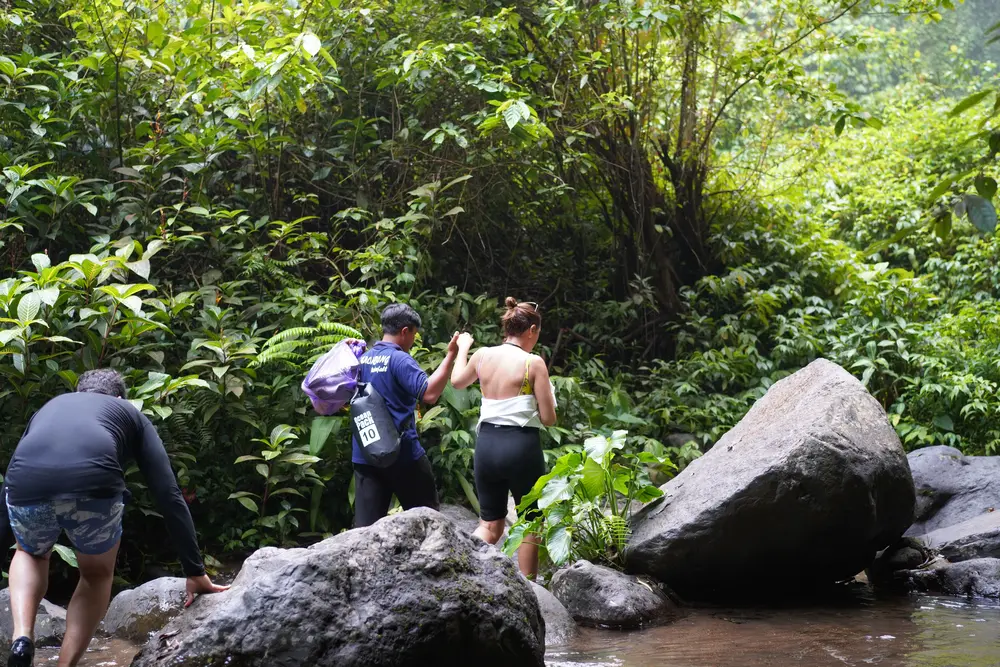
One of the most memorable parts of visiting Sekumpul is the trekking experience. Unlike attractions where you can simply walk a few meters from the parking area to reach the main viewpoint, exploring the waterfall valley requires physical effort. The trail includes village paths, steep staircases, uneven surfaces, and river crossings, making it a rewarding outdoor adventure for visitors who enjoy nature and hiking.
The experience usually begins at the village entrance, where you complete the ticket process and meet your local guide if you have selected a guided trekking package. After a short explanation of the route and safety instructions, you begin walking through the surrounding village environment. The first section provides a chance to enjoy tropical vegetation, traditional houses, and views of the green hills.
As you approach the waterfall valley, the trail becomes more challenging. You will descend numerous concrete steps before reaching the lower part of the landscape. Depending on the selected route and current water conditions, you may need to cross shallow streams or walk over wet rocks. Once you reach the bottom, the spectacular waterfall scenery becomes the highlight of the journey.
The return trip is often more physically demanding because you must climb the same steep stairs that you descended earlier. The combination of humidity, elevation changes, and uneven terrain can make the climb challenging. For this reason, take regular breaks, drink enough water, and follow your guide’s instructions throughout the experience.
What to Expect Along the Trekking Route
The Sekumpul trekking route offers more than just a walk toward a waterfall. It provides an opportunity to explore the natural landscape and observe the traditional environment surrounding the village. During the journey, you may pass tropical trees, plantations, small streams, and sections of countryside that demonstrate how closely local communities are connected to the surrounding land.
The first major highlight is the panoramic viewpoint. From this position, you can see several waterfalls cascading down the opposite cliff face. It is an excellent place to take photographs and appreciate the scale of the landscape before descending further.
The next stage involves walking down a long staircase toward the valley. The steps can become slippery, especially after rainfall, so take your time and avoid rushing. After reaching the lower section, your guide will help you navigate the river crossings and continue toward the main waterfall area.
At the bottom, you can enjoy the refreshing atmosphere and take photographs from suitable viewpoints. The powerful water flow creates a fine mist, so expect your clothes and belongings to become wet if you stand close to the falls. Depending on the route, your trekking experience may also include the Hidden Waterfall or Fiji Waterfall.
Overall, allow enough time for the entire activity rather than treating it as a quick sightseeing stop. The length depends on your chosen package, walking speed, weather, and time spent taking photographs.
Best Time to Visit Sekumpul Waterfall
The best time to visit Sekumpul Waterfall generally falls during Bali’s dry season, from around April to October. During these months, visitors usually have a better chance of experiencing favorable trekking conditions, although occasional rainfall can still occur in the northern highlands.
Morning is generally the most comfortable time to start your visit. Temperatures are usually cooler, the light is attractive for photography, and you have more time to complete the trekking before afternoon weather changes. Arriving early also gives you a better opportunity to enjoy the peaceful atmosphere of the surrounding valley.
The rainy season, typically from November to March, can bring heavier rainfall to the region. During this period, the waterfalls may appear especially powerful, but trekking paths can become muddy and slippery. River levels may also rise, creating potentially dangerous crossing conditions. Always check the weather and follow local guidance before attempting the descent.
For most travelers, visiting between April and October offers a good balance between scenery and accessibility. However, the waterfall remains a natural attraction, so conditions can vary throughout the year. Your safety should always take priority over reaching the waterfall during unfavorable weather.
Things to Do at Sekumpul Waterfall
There are several enjoyable activities to experience when visiting Sekumpul Waterfall, making it more than just a photography destination. The most obvious activity is admiring the impressive waterfalls from the panoramic viewpoint. This is an excellent starting point because it allows you to appreciate the entire valley and understand why Sekumpul is considered one of Bali’s most beautiful natural attractions.
For travelers who enjoy adventure, trekking down to the waterfall basin is one of the main highlights. The route offers an opportunity to explore the surrounding jungle, cross small streams, and experience the landscape from a completely different perspective. The closer you get to the waterfalls, the more impressive their height and water flow become.
Photography is another popular activity. The combination of green cliffs, flowing water, tropical plants, and natural mist creates excellent scenery for landscape photography. You can capture wide panoramic images from the viewpoint or closer photographs from designated areas near the waterfall. Waterproof protection for your camera and smartphone is highly recommended.
You can also enjoy the natural atmosphere around the waterfall. Take time to listen to the sound of the water, appreciate the fresh mountain air, and observe the surrounding vegetation. Some visitors enjoy spending a little time near suitable water areas, but swimming should only be considered where local guides confirm that conditions are safe. Strong currents, slippery rocks, and sudden changes in water levels can create risks.
If you choose a longer trekking package, you can explore additional waterfalls in the surrounding area. This makes the destination particularly attractive to nature lovers who want to experience several different cascades during one visit.
What to Bring When Visiting Sekumpul Waterfall
Preparing the right equipment can make your Sekumpul Waterfall adventure considerably more comfortable. Because the trekking route includes steep steps, wet surfaces, and river crossings, ordinary sightseeing clothes and footwear may not be suitable. Choose lightweight clothing that allows you to move easily and dries relatively quickly after getting wet.
Good trekking shoes or sandals with strong grip are among the most important items to bring. Avoid smooth-soled footwear because wet rocks and concrete steps can become slippery. If you plan to walk into the water, footwear designed for wet conditions can also be useful.
Bring a small backpack containing drinking water, a towel, sunscreen, and a change of clothes. A waterproof bag or protective phone case will help keep your electronic devices safe from splashing water and humidity. You may also want to bring a little cash for personal expenses, snacks, or other purchases in the village.
Here are some useful items to prepare:
-
Comfortable trekking shoes or sandals with good grip.
-
Lightweight clothing and swimwear if appropriate.
-
A change of clothes and a small towel.
-
Drinking water and personal snacks.
-
Waterproof protection for your phone and camera.
-
Sunscreen and a hat.
-
Cash for tickets and personal expenses.
Avoid bringing unnecessary valuables because the trekking route can be wet and physically demanding. Traveling with a light backpack will make the descent and return climb much easier.
Safety Tips for Exploring Sekumpul Waterfall
Although Sekumpul Waterfall is a beautiful natural attraction, visitors should remember that the trekking experience involves certain physical challenges. The route includes steep staircases, uneven ground, wet surfaces, and river crossings. Taking appropriate precautions will help you enjoy the experience while reducing unnecessary risks.
First, follow your local guide’s instructions, particularly when approaching the river crossings. Water levels can change after heavy rainfall, and a crossing that appears manageable under normal conditions may become dangerous during periods of strong water flow. Never attempt to cross a swollen river simply because other visitors are doing so.
Second, walk carefully when descending and climbing the stairs. Keep a steady pace, use available handrails, and avoid rushing to reach the waterfall. The return climb can be tiring, so take breaks whenever necessary. If you have knee problems, mobility limitations, or other physical concerns, consider choosing the viewpoint-only option rather than attempting the full trekking route.
Third, check the weather forecast before leaving your accommodation. Heavy rainfall can affect both road conditions and trekking safety. If local guides advise against continuing, respect their recommendations and postpone the activity if necessary.
Finally, protect the natural environment by avoiding littering, disturbing wildlife, or damaging plants. Sekumpul’s beauty depends on the condition of its surrounding landscape, and responsible tourism helps preserve this destination for future visitors and the local community.
Nearby Attractions to Combine With Sekumpul Waterfall
One advantage of visiting Sekumpul Waterfall is its location within North Bali, a region that offers several other beautiful natural and cultural attractions. If you have enough time, you can combine your visit with other destinations to create a more complete sightseeing experience.
Fiji Waterfall is one of the most popular attractions to explore alongside Sekumpul. Located in the nearby Lemukih area, it is known for its impressive cascades surrounded by lush vegetation. Some longer trekking packages include access to Fiji Waterfall, making it possible to experience several waterfalls during one adventure.
Ulun Danu Beratan Temple is another popular destination to consider. Situated beside Lake Beratan in Bedugul, this iconic water temple is famous for its beautiful traditional architecture and mountain scenery. It offers a completely different atmosphere from the jungle environment of Sekumpul and is an excellent cultural stop for travelers exploring the northern highlands.
Gitgit Waterfall is another well-known natural attraction in Buleleng. Surrounded by tropical vegetation, it provides visitors with a scenic waterfall experience and relatively accessible walking paths compared with the longer Sekumpul trekking route.
Lovina Beach is also worth considering if you are exploring North Bali. The coastal area is known for its relaxed atmosphere and black-sand beaches. Travelers who stay overnight around Lovina can enjoy a more relaxed northern Bali itinerary without having to drive back to southern Bali on the same day.
Other destinations around the region include the scenic viewpoints near Wanagiri and the mountain landscapes surrounding the Buyan and Tamblingan lakes. However, plan your stops carefully because traveling between mountain attractions can take longer than expected.
Suggested Sekumpul Waterfall Day Trip Itinerary
If you are staying in Ubud, Seminyak, Canggu, Kuta, or Denpasar, organizing a full-day trip is a practical way to experience Sekumpul Waterfall. Because the journey involves several hours of driving, an early start is essential.
Here is an example of a comfortable itinerary:
| Time | Activity |
|---|---|
| 06:00 AM | Hotel pickup |
| 06:00–09:00 AM | Scenic drive toward North Bali |
| 09:00 AM | Arrive at Sekumpul Village |
| 09:15 AM | Purchase tickets and meet local guide |
| 09:30 AM | Begin trekking experience |
| 10:00 AM | Enjoy the panoramic waterfall viewpoint |
| 10:30 AM | Continue trekking toward the waterfall |
| 11:00 AM | Explore Sekumpul Waterfall and take photographs |
| 12:00 PM | Finish trekking and return to the parking area |
| 12:30 PM | Lunch at a local restaurant |
| 01:30 PM | Optional sightseeing stop, depending on your route |
| 03:00 PM | Begin return journey |
| 06:00 PM | Arrive back at your hotel |
This schedule is an example rather than a fixed timetable. Actual travel times depend on traffic, weather, your accommodation location, and the trekking package you select. If you want to visit additional attractions such as Ulun Danu Beratan Temple or Gitgit Waterfall, discuss the route with your driver before departure.
For travelers who prefer a more relaxed experience, staying overnight in Lovina or Munduk is another excellent option. This allows you to explore the waterfall without spending most of the day traveling between North Bali and the southern tourist areas.
Conclusion
Sekumpul Waterfall is one of the most impressive natural attractions in Bali, offering a combination of dramatic scenery, tropical vegetation, and rewarding outdoor adventure. Located in Sekumpul Village, Buleleng Regency, this destination provides visitors with an opportunity to discover the quieter northern region of the island while experiencing a landscape that feels completely different from Bali’s busy southern beaches.
From understanding the entrance fee and finding the correct location to preparing for the trekking route, planning ahead will help you enjoy a more comfortable visit. Whether you choose the panoramic viewpoint or a longer guided adventure to the waterfall basin, Sekumpul offers an unforgettable experience for travelers who appreciate nature and outdoor exploration.
If you are planning to discover more of North Bali, consider combining Sekumpul with nearby attractions such as Fiji Waterfall, Gitgit Waterfall, Ulun Danu Beratan Temple, or Lovina Beach. With suitable transportation, an early departure, and a knowledgeable local guide, your visit can become one of the highlights of your Bali holiday.
Frequently Asked Questions
1. Where is Sekumpul Waterfall located in Bali?
Sekumpul Waterfall is located in Sekumpul Village, Sawan District, Buleleng Regency, North Bali. It is approximately 20 kilometers from Singaraja and around 76 kilometers from Denpasar according to local government tourism information. The attraction is surrounded by tropical forests, plantations, and mountainous landscapes.
2. How much is the Sekumpul Waterfall entrance fee?
The published ticket options currently start at IDR 20,000 per person for the viewpoint-only experience. The Medium Trip costs IDR 150,000, while the Long Trip costs IDR 250,000 per person. Prices and inclusions can change, so confirm the latest rates with the official local management before visiting.
3. How do you get to Sekumpul Waterfall from Ubud?
The journey from Ubud to Sekumpul Waterfall generally takes around 2.5 to 3 hours by car, depending on traffic and road conditions. You can travel with a private driver, join an organized sightseeing tour, or ride a motorbike if you are experienced with Bali’s mountain roads.
4. Is Sekumpul Waterfall trekking difficult?
The trekking route is considered moderate to challenging because it includes steep stairs, uneven paths, and river crossings. The descent may be manageable for travelers with reasonable fitness, but climbing back to the entrance can be tiring. Comfortable footwear, sufficient drinking water, and a local guide are recommended.
5. What is the best time to visit Sekumpul Waterfall?
The dry season, generally from April to October, is a popular period for visiting Sekumpul because trekking conditions are often more favorable. Morning visits are recommended for cooler temperatures and better opportunities to complete the trek. During the rainy season, check local weather and river conditions before attempting the descent.