

Taman Ayun Royal Temple
When exploring Bali, you’ll quickly discover that the island is home to hundreds of beautiful temples, each with its own history, architectural character, and spiritual meaning. Among these remarkable cultural landmarks, Taman Ayun Royal Temple stands out as one of the most beautiful historical temples in the Badung Regency. Located in Mengwi Village, this impressive temple complex offers visitors an opportunity to discover the heritage of Bali’s former royal kingdom while enjoying peaceful gardens, traditional architecture, and a picturesque landscape surrounded by water.
Often called the Royal Family Temple of Taman Ayun, this sacred complex was established during the reign of the Mengwi Kingdom in the 17th century. Unlike some Balinese temples that are built on dramatic cliffs or mountain slopes, Taman Ayun sits within an expansive garden surrounded by a wide moat. Its name is commonly translated as “beautiful garden,” which perfectly describes the peaceful atmosphere and carefully arranged landscape surrounding the temple buildings. The combination of traditional Balinese architecture, green lawns, water features, and towering multi-tiered shrines makes this destination particularly attractive to travelers interested in history, photography, and local culture.
The royal temple also has an important connection to the spiritual life of the Mengwi community. It was originally established as a place of worship for the royal family and their ancestors, while also serving a broader religious purpose connected with several important temples throughout Bali. Today, it is recognized as part of the UNESCO-listed Cultural Landscape of Bali Province, which was inscribed on the World Heritage List in 2012. This recognition highlights the relationship between Balinese religious traditions, traditional irrigation systems, and the natural environment.
For international visitors, the royal temple of Taman Ayun offers more than an attractive sightseeing destination. It provides a closer look at how traditional Balinese kingdoms organized their religious life, respected their ancestors, and maintained a harmonious relationship with nature. Whether you’re visiting Bali for the first time or returning to explore places beyond the popular beaches, Taman Ayun deserves a place on your cultural travel itinerary.
The History of the Royal Temple of Taman Ayun
The history of Taman Ayun is closely connected to the rise and development of the Mengwi Kingdom, one of the historical kingdoms that once held considerable influence in southern Bali. The temple was established in 1634 AD under the leadership of King I Gusti Agung Putu, who is associated with the development of Mengwi as a royal center. At that time, the king wanted to create a sacred complex that could serve as a place of worship for the royal family and a center for honoring their ancestors. Rather than simply constructing another religious building, the royal establishment created an extensive temple landscape featuring gardens, courtyards, shrines, and surrounding water features. This thoughtful arrangement reflected the importance of spiritual beliefs and royal traditions in Balinese society. The temple’s original purpose was therefore deeply connected to the identity of the kingdom and the religious responsibilities of its ruler. Even today, the historical atmosphere remains visible throughout the complex, allowing visitors to appreciate the relationship between Bali’s royal past and its continuing cultural traditions. According to the Badung Regency cultural heritage authority, the temple was originally developed from an earlier sacred site known as Taman Ganter before being expanded and officially established as Taman Ayun in 1634.
The Mengwi Kingdom and Its Royal Heritage

The Mengwi Kingdom played an important role in shaping the cultural and political landscape of southern Bali. Its royal center was located in the Mengwi area, where the royal family maintained religious institutions, traditional ceremonies, and relationships with surrounding villages. Like other Balinese kingdoms, Mengwi followed Hindu traditions that placed great importance on maintaining a spiritual connection with ancestors, gods, and the natural world. Temples were essential parts of this system because they provided sacred spaces for ceremonies, community gatherings, and religious offerings. The Taman Ayun royal family temple became one of the most important religious establishments associated with the kingdom. It was not merely a private sanctuary for the king but also represented the spiritual identity of the royal family and its ancestral lineage. The temple’s location near the former royal center made it especially meaningful to the people of Mengwi. Its impressive design also reflected the kingdom’s resources, artistic achievements, and devotion to religious traditions. When you walk around the temple today, the carefully arranged courtyards and towering shrines offer a glimpse into the cultural values that shaped the Mengwi royal period. Although the kingdom’s political power eventually declined, its historical legacy continues to be preserved through important heritage sites such as Pura Taman Ayun.
The Establishment of Pura Taman Ayun
According to local historical accounts, King I Gusti Agung Putu initially established a temple called Taman Ganter north of Mengwi Village. As the kingdom developed, the sacred complex was relocated and expanded into the larger temple landscape that visitors recognize today. Its formal establishment took place in 1634, a date that remains significant in the temple’s religious calendar. The Badung Regency cultural heritage documentation also records the traditional architectural involvement of Ing Khang Ghoew, a craftsman associated with Banyuwangi, in the development of the complex. The name Taman Ayun has an interesting meaning rooted in its landscape. The word “Taman” refers to a garden, while “Ayun” is commonly understood as beautiful or pleasing. Together, the name describes the attractive garden environment surrounding the sacred buildings. The temple was designed with multiple courtyards, protective walls, and religious structures arranged according to traditional Balinese principles. Over the centuries, the complex experienced periods of neglect and restoration, particularly following political conflicts involving the Mengwi Kingdom. Restoration work and later improvements helped preserve its architectural character, including significant renovation work in 1937. These historical developments explain why Taman Ayun is considered an important architectural and cultural reminder of Bali’s royal heritage.
Why Is Taman Ayun Known as a Royal Family Temple?
The main reason Taman Ayun is known as a royal family temple is its original function as the Pura Ibu or Paibon of the Mengwi Kingdom. In Balinese Hindu tradition, a Paibon temple is associated with ancestral worship and provides a sacred place for members of a particular family lineage to honor their ancestors. For the Mengwi royal family, this temple served as an important religious center where offerings and ceremonies could be dedicated to their royal ancestors. This function distinguishes Taman Ayun from temples that primarily serve as village temples or important regional pilgrimage destinations. However, its religious significance extends beyond the royal family because the complex also includes shrines connected with other important temples and deities throughout Bali. Historical records describe how the temple functioned as a place where the Mengwi community could worship representations of several major sacred sites without always needing to travel long distances. This arrangement demonstrates the important relationship between royal authority, religious responsibility, and community life in traditional Bali. The temple’s design reflects these multiple purposes through its different courtyards and sacred structures. Although visitors today mainly experience Taman Ayun as a cultural attraction, its primary identity remains that of an active Hindu religious complex with deep connections to the former Mengwi royal family.
Architectural Features of Pura Taman Ayun
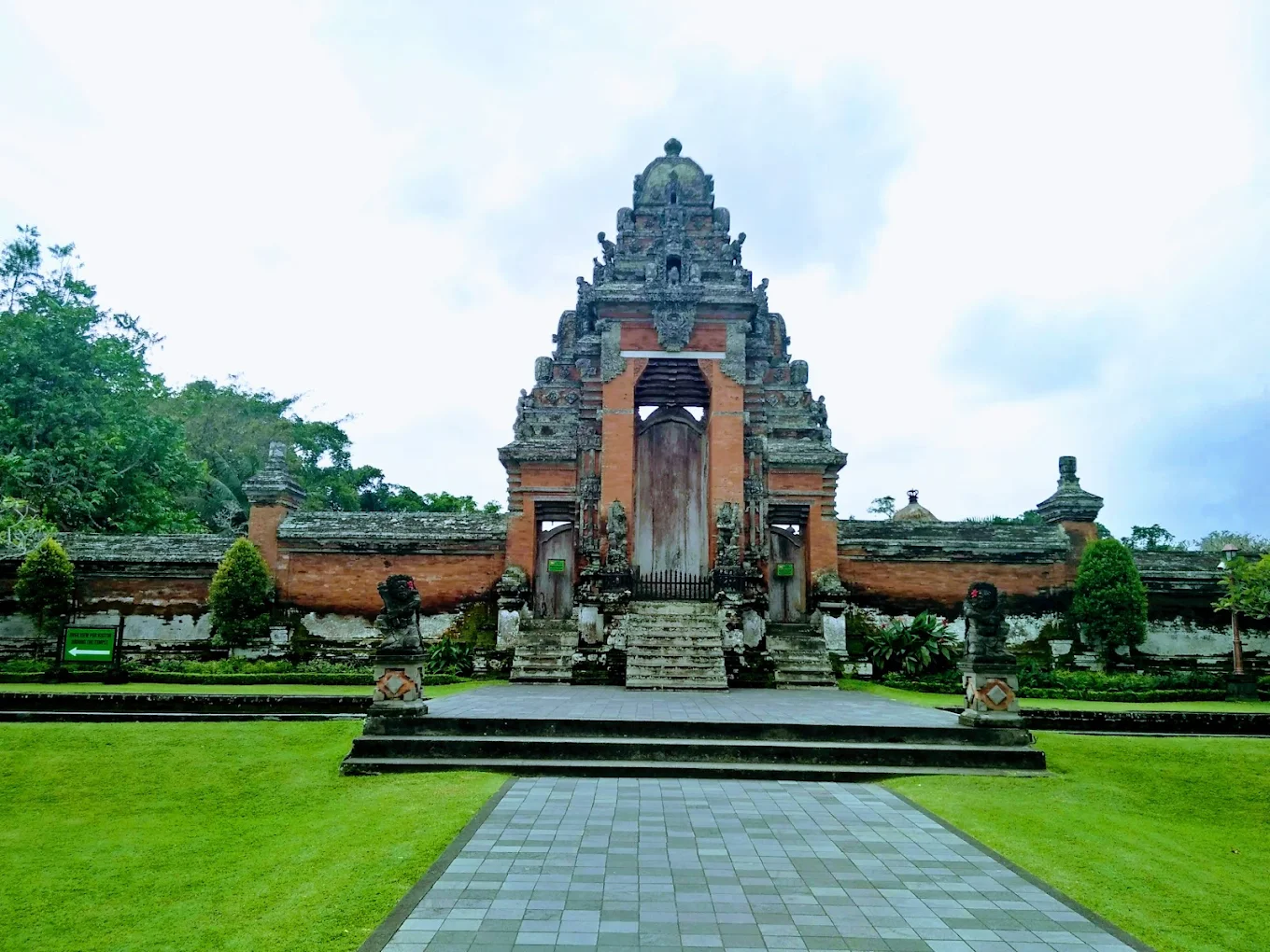
One of the most impressive aspects of the Royal Temple of Pura Taman Ayun is its traditional Balinese architectural arrangement. The complex combines sacred buildings, protective walls, gateways, gardens, and water features into a carefully organized landscape. Instead of placing all the religious structures within one open courtyard, the temple is divided into several areas that represent different levels of sacredness. This arrangement follows traditional Balinese concepts of spatial organization, in which the most sacred area is positioned deeper inside the complex. Visitors first encounter the outer garden and entrance area before reaching the more important temple courtyards. The surrounding moat creates the impression that the temple is floating within a peaceful landscape, making it visually different from many other religious sites in Bali. Inside the complex, visitors can admire traditional stone carvings, decorative gateways, and towering shrines with distinctive tiered roofs. The buildings are arranged to create a balanced visual composition, while the surrounding gardens provide a relaxing environment for walking and photography. Every architectural element contributes to the temple’s identity as both a religious sanctuary and a remarkable example of traditional Balinese landscape design.
The Traditional Balinese Temple Courtyards
The layout of Taman Ayun follows the traditional Balinese temple concept of dividing the complex into three main areas, commonly known as Nista Mandala, Madya Mandala, and Utama Mandala. These areas represent different levels of sacredness, moving from the outer section toward the innermost sanctuary. The Nista Mandala functions as the outer courtyard, where visitors enter the temple environment and encounter supporting facilities and open spaces. The Madya Mandala serves as an intermediate area containing additional structures used for religious and ceremonial activities. Finally, the Utama Mandala is the most sacred section, where the principal shrines and important places of worship are located. This arrangement is not simply an architectural preference but reflects the spiritual philosophy that influences traditional Balinese temple construction. As you explore the grounds, you will notice how gateways and walls separate the different sections while maintaining a sense of harmony throughout the complex. The division also helps visitors understand that a Balinese temple is more than a collection of beautiful buildings. It is a carefully organized sacred environment where every area has its own function and religious meaning. Visitors should respect restricted sections because some areas are reserved for worshippers and ceremonial activities.
The Beautiful Meru Towers and Shrines
The meru towers are among the most recognizable architectural features of Taman Ayun. These traditional Balinese shrines have distinctive multi-tiered roofs made from dark thatching materials, creating an elegant silhouette against the tropical sky. Different shrines have different numbers of roof levels, which traditionally reflect the spiritual importance and identity of the deity or sacred presence being honored. At Taman Ayun, visitors can see a collection of meru structures arranged within the main temple area. Some feature only a few roof levels, while others rise much higher and create a dramatic visual impression. The tall structures are especially beautiful when viewed from the surrounding garden paths, where their dark roofs contrast with the greenery and blue sky. Their construction also demonstrates the traditional craftsmanship of Balinese artisans, who carefully create the wooden frames, roof supports, and decorative elements. For photographers, the meru towers are among the most attractive subjects in the complex, especially during the early morning when natural light creates soft shadows across the temple grounds. Beyond their visual appeal, these shrines represent the spiritual traditions that have shaped Balinese Hindu architecture for generations.
The Cultural and Religious Significance of Taman Ayun
Taman Ayun holds cultural importance because it represents the relationship between religious traditions, royal heritage, and the agricultural communities of Bali. One particularly interesting aspect of the temple is its connection with the traditional Subak irrigation system. Subak is a community-based water management system that organizes the distribution of water to rice fields through a network of canals, dams, and water temples. In Bali, irrigation is not viewed simply as an agricultural activity but also as something connected to spiritual responsibilities and the philosophy of maintaining harmony between humans, nature, and the divine. Taman Ayun forms part of the wider Cultural Landscape of Bali Province recognized by UNESCO in 2012. The designation includes several important temples and agricultural landscapes that demonstrate the relationship between Hindu beliefs and the Subak system. This recognition helps explain why the temple is significant beyond its beautiful architecture and royal history. It also represents a traditional approach to managing natural resources through community cooperation and religious values. For visitors, learning about this connection can make a visit much more meaningful because it reveals how Balinese culture integrates spirituality into everyday life.
Where Is the Royal Temple of Mengwi Located?
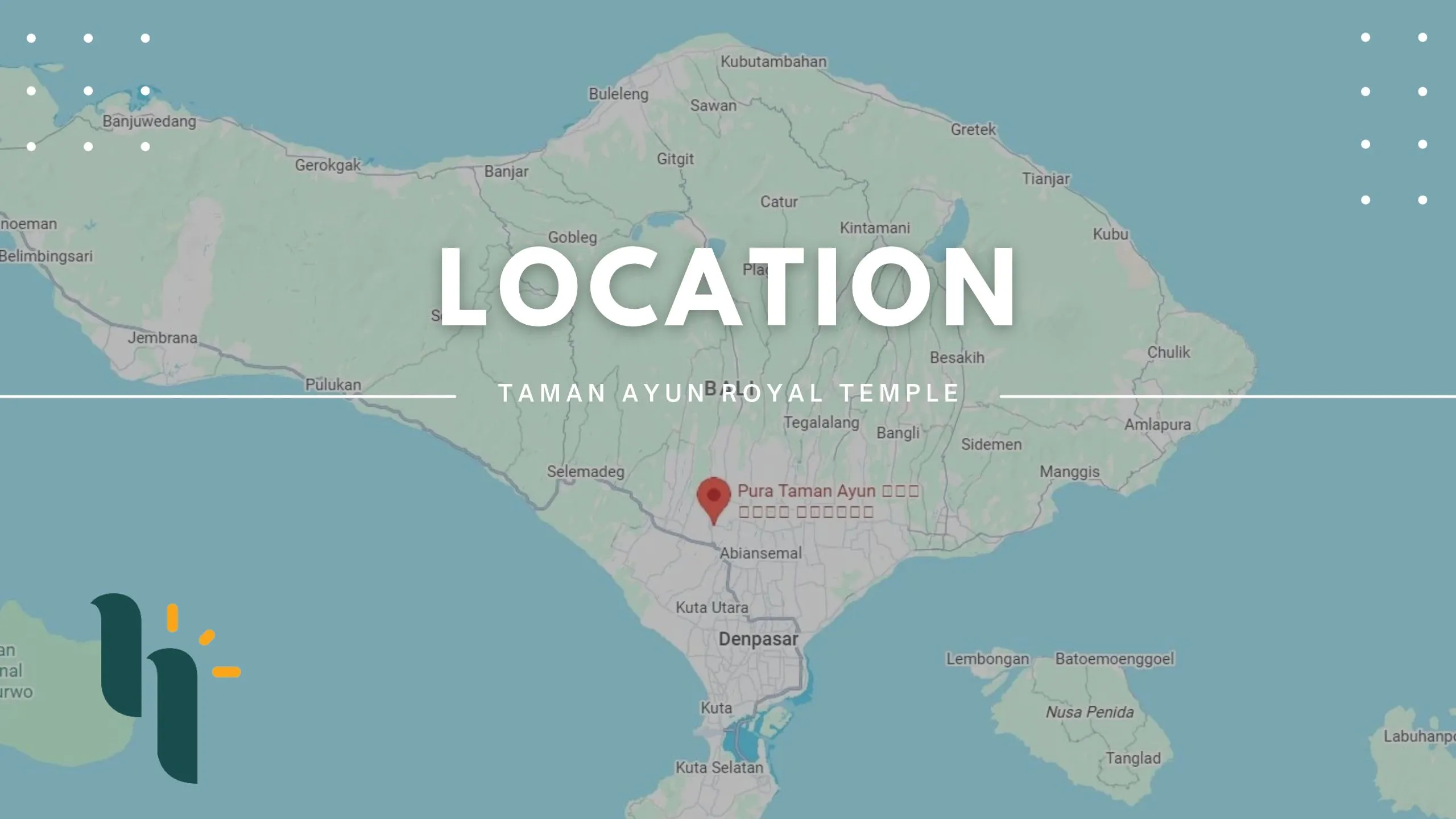
The Royal Temple of Mengwi, officially known as Pura Taman Ayun, is located in Mengwi Village, Mengwi District, Badung Regency, Bali, Indonesia. It is situated in the central part of the island, making it a convenient cultural destination for travelers staying in several popular tourist areas. The temple is approximately 19 to 20 kilometers from Denpasar, although actual travel times depend on traffic conditions and the starting point. Its location also makes it a useful stop when traveling between southern Bali, Ubud, and the northern highlands. Unlike remote temples that require long journeys through mountainous roads, Taman Ayun is relatively accessible by private car or taxi. The surrounding area has a traditional village atmosphere, with local shops, small restaurants, and other cultural attractions that visitors can explore. Its spacious gardens and peaceful environment provide a welcome contrast to the busier tourist districts of southern Bali. If you’re interested in understanding Bali’s history beyond its beaches and resorts, spending time in Mengwi is a great way to discover another side of the island. The temple is also an excellent destination for travelers who want to combine cultural sightseeing with a longer journey toward Bedugul or other attractions in central Bali.
How to Get to Taman Ayun Temple
Reaching Taman Ayun is relatively straightforward because the temple is located near the main road network connecting several popular destinations in Bali. Travelers staying in Ubud, Canggu, Seminyak, Kuta, or Denpasar can reach the temple by hiring a private driver, taking a taxi, or arranging transportation through a local tour operator. If you’re staying in Canggu or Seminyak, the journey generally takes around 30 to 60 minutes depending on traffic. From Ubud, allow approximately 45 to 75 minutes, while visitors coming from Kuta or Nusa Dua may need more time. These are planning estimates rather than guaranteed travel times because traffic conditions in Bali can change considerably throughout the day. Renting a scooter is another possibility for experienced riders, but a private car is usually more comfortable, especially if you’re planning to visit several attractions in one day. Having a driver also makes it easier to understand local customs, discover interesting places along the route, and adjust your schedule when necessary. If you are unfamiliar with Bali’s road network, arranging transportation in advance can help you avoid unnecessary travel complications. For many visitors, combining Taman Ayun with nearby cultural and natural attractions is a practical way to make the most of a day exploring central Bali.
Taman Ayun Temple Entrance Fee and Opening Hours
Before visiting the Royal Temple Taman Ayun Bali, it is useful to understand the entrance arrangements and basic visitor information. The temple operates as a cultural tourism destination while continuing to maintain its religious function. Visitors generally enter through the designated tourism entrance, where admission arrangements are handled locally. Entrance prices can change, and different rates may apply to Indonesian citizens and international visitors. Some travel information sources list separate adult and child prices, with sarongs provided as part of the visitor arrangements. However, travelers should confirm the latest rates directly at the ticket counter rather than relying entirely on older online information.
The following table provides a practical overview of information to consider when planning your visit. Opening times and admission charges should be reconfirmed before departure, particularly if you are traveling during a major Balinese religious celebration.
Visitor information | Details |
Official name | Pura Taman Ayun |
Location | Mengwi, Badung, Bali |
Historical establishment | 1634 AD |
Typical visiting hours | Around 8:00 AM–6:00 PM |
Entrance fee | Check the latest rates at the ticket counter |
Clothing | Modest clothing; sarong requirements apply |
Recommended visit duration | 45 minutes to 1 hour |
Main attraction | Royal architecture, meru shrines, gardens, and moat |
The visitor experience is generally relaxed because the temple has spacious outdoor areas and landscaped gardens. You do not need to spend several hours exploring every corner, but allowing enough time to appreciate the architecture and learn about the history makes the experience more rewarding. If you are planning a full-day sightseeing trip, one hour is a reasonable starting point for your Taman Ayun visit.
Best Time to Visit Taman Ayun Royal Temple
Choosing the right time to visit can make a noticeable difference to your experience at Taman Ayun. Early morning is often a good option because the atmosphere is usually calmer and the natural light is suitable for photographing the temple’s traditional architecture. During this period, the gardens can feel especially peaceful, allowing you to enjoy the landscape without the stronger heat that often develops later in the day. Late afternoon is another attractive option, particularly for visitors interested in capturing the temple buildings under softer sunlight. However, you should leave enough time to explore before the destination’s closing time. Bali has a tropical climate, so occasional rain showers can occur throughout the year, especially during the wetter months. If you visit after rainfall, the surrounding gardens may look particularly fresh and green, although walking paths can become slippery. Religious ceremonies can also influence the visitor experience because certain sections may be restricted or more crowded during important celebrations. Rather than focusing only on photography, consider choosing a time when you can comfortably explore the complex and appreciate its cultural atmosphere.
What to See Around the Temple
There is more to Taman Ayun than its central shrines and historical buildings. The surrounding landscape is an important part of the attraction, creating a peaceful setting that makes the complex particularly enjoyable for visitors who appreciate traditional gardens and Balinese architecture. As you enter the grounds, take time to observe the water features and the way the temple buildings are positioned within the landscape. The surrounding moat is one of the most distinctive elements because it visually separates the sacred complex from the outer environment. Traditional gateways and stone structures also provide interesting details for visitors who want to understand Balinese craftsmanship. You can walk through the designated visitor areas, observe the architectural arrangement, and enjoy views of the multi-tiered shrines from different angles. The landscaped surroundings are particularly attractive for photography because they combine greenery, water, stone, and traditional buildings in a single setting. If you enjoy cultural sightseeing, you may also want to learn about the historical function of the individual courtyards and the temple’s relationship with the Mengwi royal family. Exploring these details transforms what might initially seem like a simple temple visit into a more engaging cultural experience.
The Temple Gardens and Surrounding Landscape
The gardens surrounding Taman Ayun are among the features that make this royal temple different from many other sacred sites in Bali. Rather than being dominated entirely by stone walls and buildings, the complex includes landscaped spaces that create a harmonious relationship between architecture and nature. The gardens feature green lawns, trees, decorative plants, and water elements that contribute to the peaceful environment. The moat surrounding the temple is particularly important because it gives the impression that the sacred buildings are separated from the outside world by a protective water boundary. This arrangement also contributes to the visual beauty of the complex, especially when the surrounding vegetation is reflected on the water’s surface. Walking around the designated paths allows visitors to appreciate the landscape from several viewpoints. You can also observe how the garden design complements the vertical appearance of the meru towers and other traditional structures. The combination of greenery and traditional architecture makes Taman Ayun an excellent destination for travelers who enjoy taking photographs without needing to climb difficult trails or walk long distances. Even if you are not particularly interested in religious history, the garden environment alone makes the temple worth including in a cultural sightseeing itinerary.
Cultural Etiquette When Visiting Taman Ayun
Although Taman Ayun is open to tourists, it remains an important sacred site for Balinese Hindus. Visitors should therefore approach the temple with respect and understand that religious activities take priority over sightseeing. Dressing modestly is an important first step, and visitors should follow the local requirements for wearing a sarong or other appropriate temple clothing. Avoid wearing clothing that exposes too much of the body, and follow instructions from temple staff regarding restricted areas. Photography is generally possible in designated visitor areas, but you should always be considerate when religious ceremonies are taking place. Avoid photographing worshippers in a way that interrupts their activities or makes them uncomfortable. Loud conversations, inappropriate behavior, and climbing on temple structures should also be avoided. If you see offerings placed around the temple, do not step on them or move them, as they have religious meaning. Women who are menstruating may also be subject to traditional temple-entry restrictions, so it is respectful to follow the guidance of local temple authorities. These simple practices help preserve the dignity of the sacred complex while ensuring that visitors can enjoy its cultural and historical value.
Is Taman Ayun Worth Visiting?
If you enjoy learning about Bali’s cultural heritage, Taman Ayun Royal Temple is definitely worth considering during your holiday. Its appeal comes from the combination of historical significance, traditional architecture, royal heritage, and peaceful natural surroundings. Unlike some of Bali’s more crowded tourist destinations, Taman Ayun offers an opportunity to explore a spacious temple environment at a relatively relaxed pace. The complex is also accessible to different types of travelers, including couples, families, solo visitors, and older guests who prefer destinations without demanding trekking routes. History enthusiasts will appreciate its connection to the former Mengwi Kingdom, while photographers can enjoy the meru towers, gardens, and surrounding moat. It is also an interesting destination for travelers who want to understand the cultural and spiritual traditions behind Bali’s famous temple architecture. The temple may not offer dramatic ocean views or adventurous activities, but that is precisely what makes it different. Instead of providing an adrenaline-filled experience, Taman Ayun allows you to slow down and appreciate the historical and spiritual identity of the island. If you are building an itinerary that includes cultural attractions, rice terraces, waterfalls, and traditional villages, this royal temple is a worthwhile stop.
Exploring Taman Ayun on a Bali Private Tour
Visiting Taman Ayun as part of a private sightseeing trip is a convenient way to discover the historical attractions of central Bali. With private transportation, you can travel comfortably from your hotel and explore several destinations without needing to arrange separate transfers throughout the day. A local driver can also help you understand the route, recommend suitable stops, and share general information about the surrounding villages and local culture. Depending on your accommodation and travel preferences, Taman Ayun can be included in an itinerary connecting Mengwi with other destinations such as Tanah Lot, Jatiluwih Rice Terraces, or the Bedugul highlands.
For travelers interested in discovering Bali’s historical landmarks, a West Bali Tour can be a practical option because it may include Taman Ayun, Taman Ayun’s royal heritage, and other cultural attractions along the western route. You can also combine the temple with a visit to Tanah Lot, one of Bali’s most famous coastal temples, particularly if you want to enjoy a sunset experience after exploring the island’s cultural heritage.
A private trip also gives you more flexibility than a fixed group itinerary. You can spend additional time at destinations that interest you, take breaks when necessary, and adjust your sightseeing schedule according to traffic conditions. This is particularly useful for couples and families who prefer a comfortable travel experience rather than rushing between attractions. With a private car and local driver, exploring the royal temple of Taman Ayun becomes part of a more complete Bali sightseeing experience.
Conclusion
The Taman Ayun Royal Temple is one of Bali’s most meaningful historical and cultural landmarks. Established in 1634 by King I Gusti Agung Putu, the temple preserves the religious heritage of the former Mengwi Kingdom and continues to represent the importance of ancestral worship in Balinese Hindu traditions. Its impressive meru towers, traditional courtyards, landscaped gardens, and surrounding moat create a beautiful environment that reflects the architectural achievements of Bali’s royal period.
Beyond its appearance, the Royal Family Temple of Taman Ayun also provides valuable insight into the island’s relationship between religion, agriculture, nature, and community life. Its inclusion in the UNESCO Cultural Landscape of Bali Province makes it an important destination for travelers interested in understanding the island’s cultural identity.
Whether you are a history enthusiast, a photography lover, or simply looking for a peaceful cultural destination, Taman Ayun offers a memorable experience. Consider adding this historic temple to your Bali itinerary, especially if you are planning to explore Mengwi, Tanah Lot, or the beautiful landscapes of central and western Bali.
Frequently Asked Questions
1. Why is Taman Ayun Temple called the Royal Family Temple?
Taman Ayun is called the Royal Family Temple because it originally served as the Pura Ibu or Paibon of the Mengwi Kingdom. It was established as a sacred place for the royal family to worship their ancestors and honor important Hindu deities. The temple also served wider religious purposes for the Mengwi community, making it an important historical and spiritual landmark in Bali.
2. Who built the Royal Temple of Taman Ayun?
Taman Ayun Temple was established by King I Gusti Agung Putu of the Mengwi Kingdom in 1634 AD. The temple was developed as a royal religious complex dedicated to ancestral worship and other important spiritual activities. Its construction reflected the importance of Hindu traditions and royal heritage during the Mengwi Kingdom.
3. Where is the Royal Temple of Mengwi located?
The Royal Temple of Mengwi, also known as Pura Taman Ayun, is located in Mengwi Village, Badung Regency, Bali, Indonesia. It is approximately 19 to 20 kilometers from Denpasar and can be reached by private car or taxi from popular tourist areas such as Ubud, Canggu, Seminyak, and Kuta.
4. Is Taman Ayun Temple part of UNESCO World Heritage?
Yes. Taman Ayun is part of the Cultural Landscape of Bali Province, which was officially inscribed on the UNESCO World Heritage List in 2012. The recognition highlights the relationship between Balinese Hindu philosophy, traditional water management, and the Subak irrigation system.
5. How long should I spend visiting Taman Ayun Royal Temple?
Most visitors can explore Taman Ayun in approximately 45 minutes to one hour. This provides enough time to walk through the designated areas, admire the traditional meru towers, photograph the gardens, and learn about the temple’s history. You may want to allow additional time if you are visiting with a local guide or combining the temple with other attractions nearby.